Looking for sustainable fashion brands for men can feel like guesswork when every label claims to be green. The smarter answer is to judge brands by disclosure, materials and how long the clothes last.
| Item | Value |
|---|---|
| Share of global greenhouse gas emissions from clothing and footwear production (UNEP official, 2019) | 8% |
| Water to make one pair of jeans | About 7,500 litres |
| Increase in clothes bought per person over 15 years (2019 report) | 60% more items |
| Average score of 200 large brands on decarbonisation transparency (2025) | 14 percent |
| Brands scoring zero on traceability (2025) | 90 of 200 (45 percent) |
Figures come from UN News and FashionUnited’s report on Fashion Revolution’s 2025 study. They can change, so check the source before you rely on them.
This guide is independent and educational. It is not affiliated with any brand mentioned in its sources, and it does not rank or endorse specific labels.
Why a list of names is not enough
Check what evidence a brand ranking uses before relying on it. A better habit is to learn what makes menswear sustainable, so you can test any label yourself, including the ones you find in our guide to ethical clothing brands.
The scale of the problem explains why. A UNEP official said in 2019 that clothing and footwear production generates 8% of the world’s greenhouse gas emissions, according to UN News. The same article notes that it takes around 7,500 litres of water to make a single pair of jeans.
Other estimates of the industry’s share are lower or wider, depending on what is counted. Treat 8% as one widely cited figure, not a settled number.
What makes sustainable fashion for men different?
A sustainable brand is not defined by one certificate or one recycled fabric. It is defined by a pattern: clear sourcing, fair treatment of the people who sew the clothes, and products built to be worn for years rather than weeks. Any single claim on its own tells you little.
Men’s wardrobes lean on a few staples: jeans, tees, chinos, knitwear, outerwear and boots. Each has its own weak points, so check the item rather than the brand’s slogan.
- Fibre: look for organic or recycled cotton, linen, hemp, wool from traceable farms, or recycled synthetics where performance matters.
- Construction: reinforced seams, solid buttons and zips, and lining that will not tear within a year.
- Repair and resale: look for repairs and spare buttons that help you keep clothes in use.
- Disclosure: named factories, published supplier lists and real numbers beat vague words like “conscious”.
Durability matters more than most buyers think. The UN News article reports that people buy 60 per cent more clothing than 15 years earlier, according to the McKinsey 2019 State of Fashion report, and keep each piece only half as long.
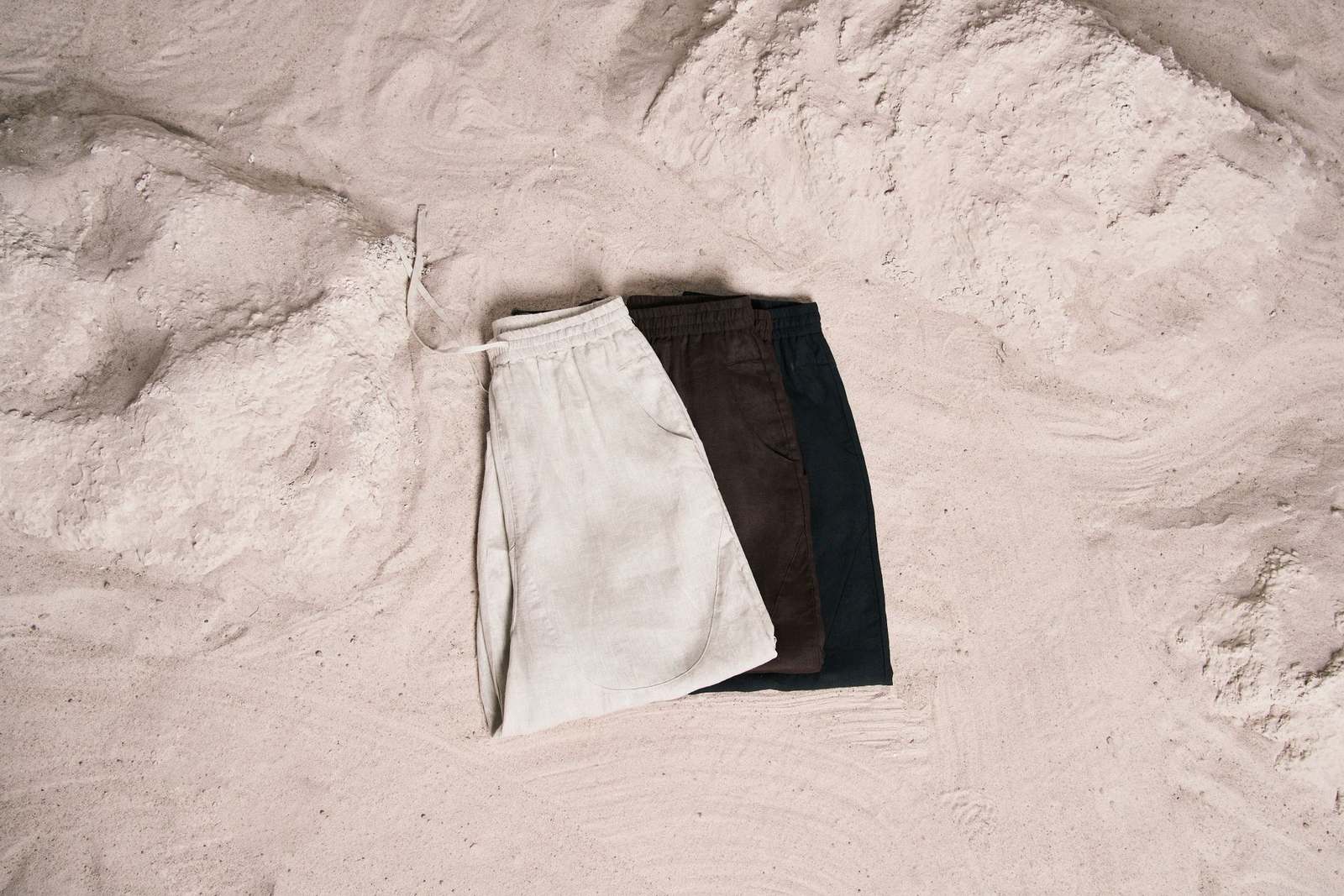
Item by item: what to look for in men’s staples
Different garments call for different questions. Use this as a quick reference before you spend money.
Jeans and chinos
Denim is water-hungry, which is why the UN News figure for a single pair is so striking. Choose a heavier weight, a fit you will keep, and a brand that explains how it treats its water and dyes. Repair services for knees and hems are a strong sign.
T-shirts and shirts
Cheap tees are the classic short-life item. Look for tight, even stitching, fabric that feels dense rather than thin, and a collar that is reinforced. A plain colour you can wear with everything will outlast a trend print.
Knitwear and outerwear
Wool, linen and similar natural fibres can last for years if cared for. Check that the brand says where the fibre comes from. For jackets, repairable zips and replaceable parts matter more than a green logo.
Boots and shoes
Footwear is part of the emissions figure quoted above. Choose resolable boots, and look for brands that offer resoling or sell spare parts. Secondhand leather boots are often a good buy because the hard wear has already been proven.
How transparent are big brands really?
Transparency is the easiest thing for a shopper to check, and the industry is still weak at it. Fashion Revolution’s 2025 special edition of its Fashion Transparency Index looked at 200 of the world’s largest fashion companies, each with revenue over one billion US dollars, according to FashionUnited.
The overall average score fell to 14 percent, down from 18 percent in 2024. The best-scoring brand reached only 71 percent in 2025. Ninety brands, or 45 percent, scored zero across the whole traceability section.
The report puts energy-source disclosure at 60 percent for brands’ own operations and 11 percent for their supply chains.
One caution from Fashion Revolution applies to shoppers too: “A brand can score highly on transparency of their decarbonisation efforts but this does not mean they are ethical or sustainable.”
A five-step check before you buy
You do not need to read a sustainability report for every shirt. Run through these steps, and for a fuller method see how to tell if a brand is ethical.
- Find the fibre content on the product page. If it is missing, treat that as a warning.
- Look for a published factory or supplier list, not just a country of origin.
- Check whether the brand gives specific targets and results rather than adjectives.
- Ask whether it will repair or resell the item.
- Decide if you will wear it for years. If not, skip it, however green the label.
If a brand fails the first two steps, you can treat its green claims with caution until it publishes more.
Pay, people and the price tag
A low price often means someone else absorbed the cost. Wages are the hardest part to verify, and the topic of a garment worker living wage is worth reading before you trust any “fair” claim.
Focus on buying fewer pieces and keeping them in use longer. Buy fewer pieces, choose neutral colours that work with what you own, and look at secondhand first for jackets and boots, which hold up well.
Care is the last part of the price. Washing less often, using cooler cycles and air drying keep fabric and colour in better shape. Fixing a button or a hem yourself can be inexpensive and help keep a garment wearable.
Finally, remember that buying nothing is also a valid choice. Before any purchase, check whether you already own something that does the same job, or whether a friend, a repair shop or a resale site can fill the gap.
Frequently asked questions
Is organic cotton always the better choice?
Show answer
Not always. It is a good starting point, but a badly made organic tee that falls apart still wastes resources. Fibre, construction and care all count.
Does a high transparency score mean a brand is sustainable?
Show answer
No. Fashion Revolution says a brand can score highly on transparency of its decarbonisation efforts without being ethical or sustainable. Use scores as one input.
Is secondhand menswear more sustainable?
Show answer
Usually, because it extends the life of garments that already exist. Check condition, seams and fit before you buy.
How do I avoid greenwashing?
Show answer
Look for specifics: named suppliers, fibre percentages and measurable targets. Be wary of vague terms with no figures behind them.