Wondering how to wash clothes sustainably without ruining them? Wash cooler, run full loads, choose a liquid detergent made for low temperatures, and let air do the drying.
| Item | Value |
|---|---|
| Energy saved washing at 30°C instead of 40°C | 38% less energy |
| Energy saved washing at 20°C | 62% less energy |
| Possible bill saving from 30°C instead of 40°C | Up to £23 a year, based on four washes a week |
| UK-wide effect if everyone switched to 30°C | CO2 cut equal to 400,000 cars off the road |
| Date of the Which? article | 27 April 2020 |
These figures come from a Which? report. Energy prices and machines change, so check the source before you rely on them.
Laundry is one part of looking after what you own. For the wider picture, see our guide on how to care for clothes.
How to wash clothes sustainably: start with temperature
Most of the energy a washing machine uses goes into heating the water. That is why the temperature you choose changes the footprint of a load more than almost any other setting.
Which? reported energy savings of 38% at 30°C compared with 40°C, rising to 62% at 20°C.
The same report puts the possible bill saving at up to £23 a year, based on four washes a week. The report compared the potential UK-wide emissions saving to removing 400,000 cars from use.
The report was published in 2020, so treat the numbers as a guide rather than a promise for your home. The direction is clear, though: cooler is cheaper and lower-carbon.
Choose the right detergent for cool washes
Cool water cleans less well with the wrong product. The liquid detergent tested by Which? outperformed the powder on tough stains at both lower temperatures.
The comparison covered three temperatures—20°C, 30°C and 40°C—and two detergent options: powder and a liquid formulated for cooler washes. If you wash cool, a liquid detergent labelled for low temperatures is a sensible place to start.
- Check the label for a low-temperature or cold-wash claim.
- Measure the dose rather than pouring by eye; extra detergent does not mean cleaner clothes.
- Which? recommends applying a little diluted detergent to stubborn marks before washing.
For marks that need more than a dab of detergent, our guide on how to remove stains from clothes naturally covers gentler options.
A simple low-impact laundry routine
You do not need a perfect system. A few habits, repeated, do most of the work.
- Wash less often. Jeans, jumpers and coats can usually be aired between wears. Wash when something is dirty or smells, not by default.
- Fill the drum. A machine generally uses a similar amount of energy and water whether it is full or half empty, so fewer, fuller loads waste less. Leave a hand’s width of space so clothes can still move.
- Turn the dial down. Start at 30°C for everyday items and try 20°C for lightly worn clothes. Keep hotter washes for items such as bedding or underwear when you have a reason to.
- Use a longer eco cycle if your machine has one. Check your manual, as settings differ between models.
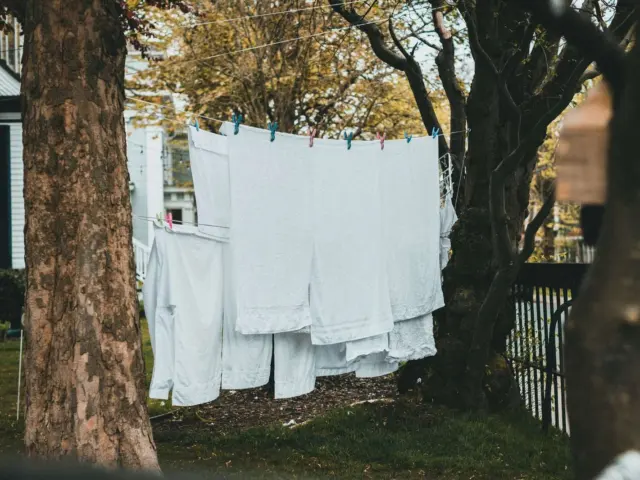
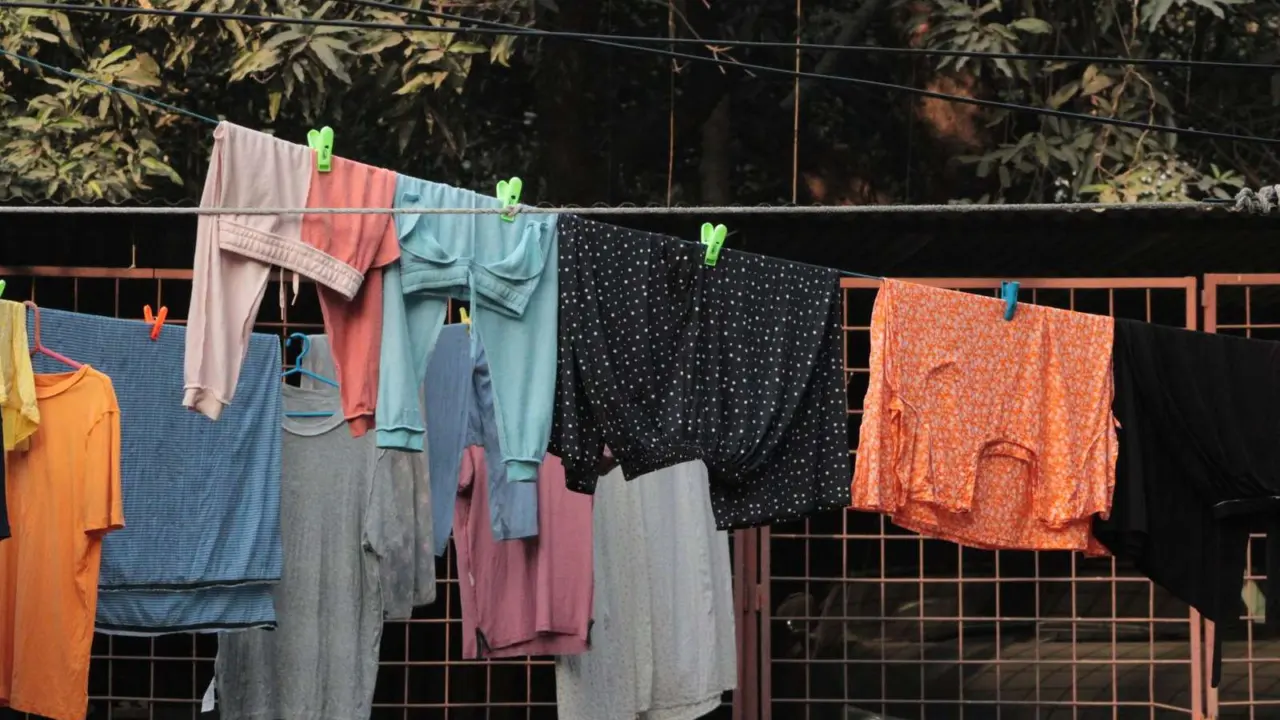
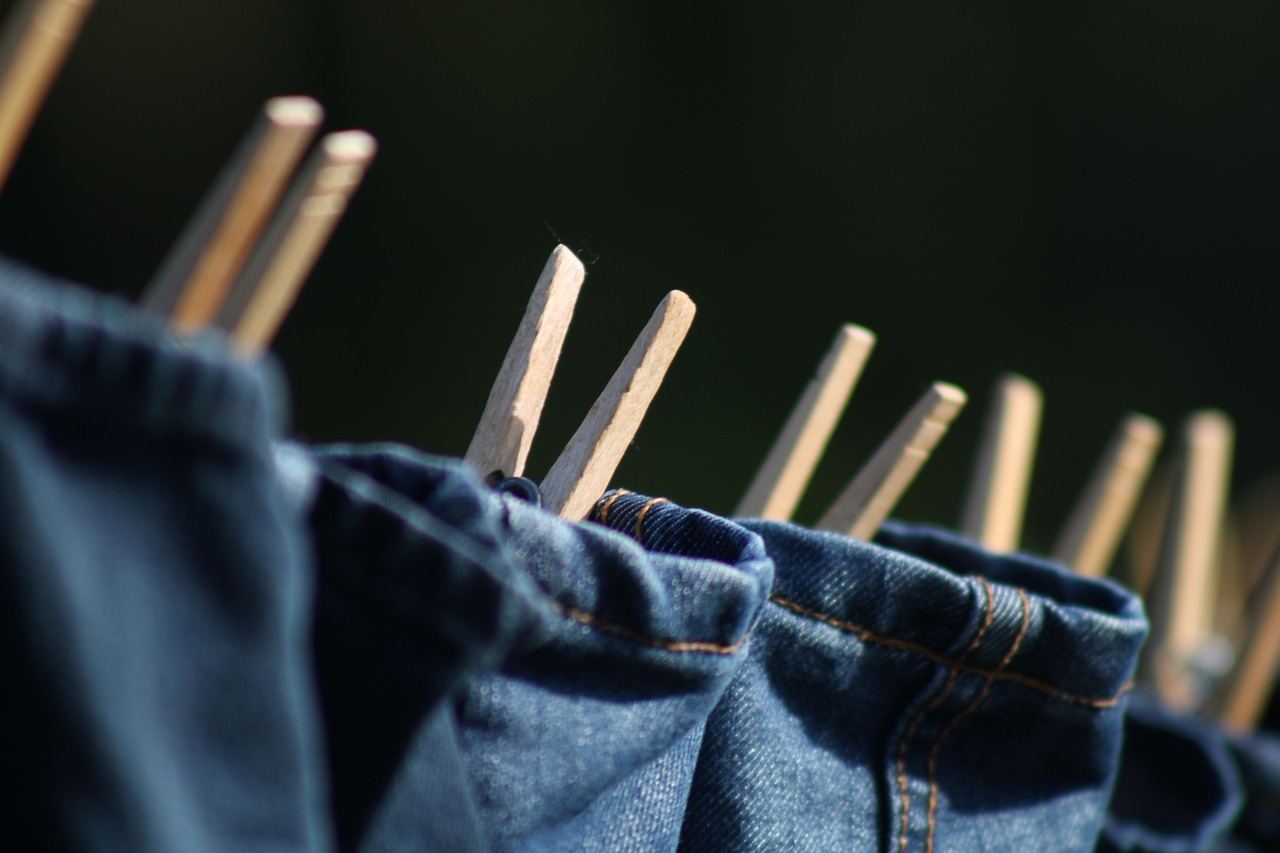
- Dry on a line or rack. Line or rack drying avoids the electricity needed to run a tumble dryer.
Drying and finishing with less energy
Washing is not the end of laundry. Drying can easily cancel out the savings you made with a cooler wash, so it deserves the same thought.
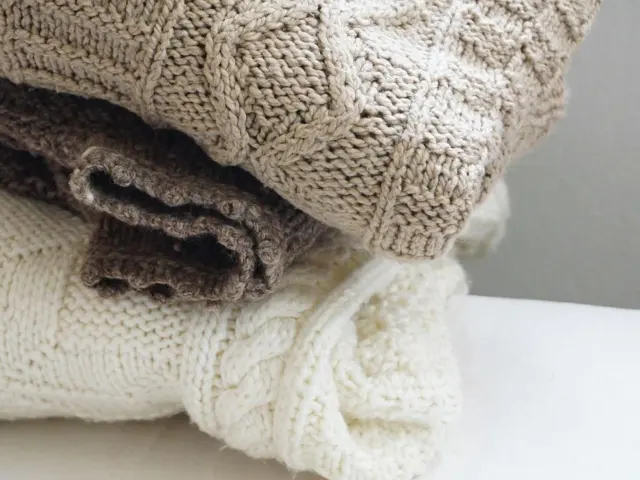
Shake each item out before hanging it, as this lets creases fall out and speeds up drying. Hang shirts by the shoulders on a hanger, drape knitwear flat on a rack so it keeps its shape, and give heavier items such as towels plenty of space.
- Dry outdoors on a fine day when you can; fresh air is free.
- Indoors, put the rack in a room with an open window or a dehumidifier rather than a closed, damp room.
- Skip ironing where you can; a good shake and a hang on a hanger often does the job.
If you do use a tumble dryer, keep the lint filter clean and only run full loads.
Sort loads to protect your clothes
Washing sustainably also means making garments last. A shirt that survives five more years is one you do not need to replace.
Sort by colour and by fabric weight, close zips and fasten hooks, and turn dark or printed items inside out. Cooler water is also kinder to many fabrics and dyes, though always follow the care label first.
Synthetic fabrics shed tiny fibres in the wash. If that worries you, read our piece on how to reduce microplastics when washing clothes for practical steps.
Spot cleaning is another low-effort habit. A damp cloth on a small mark can save a whole cycle, and it spares the fabric the wear of an extra wash.
Finally, think about what you buy. Fabrics that need frequent hot washes or special treatment create more laundry work over their lifetime, so check the care label before you commit to a new piece.
It also helps to keep a small basket for “wear again” clothes. Items that have only been worn for a short time go there instead of into the laundry pile, which keeps the wash pile honest and your loads genuinely full when you do run them.
Over a year, these small choices add up to fewer cycles, less heated water and clothes that keep their colour and shape for longer.
When a hotter wash still makes sense
Cool washing is not right for everything. Heavily soiled items, towels, bedding after illness and some underwear may call for a warmer cycle, and a care label may set its own limit.
If hygiene is the concern, choose the temperature you actually need for that load, and keep the rest of your laundry cool. One hot wash a week alongside cool everyday washes still saves energy overall compared with washing everything hot.
Also give the machine itself a little attention. Leaving the door ajar between washes lets the drum dry out, and cleaning the filter as your manual suggests keeps it working properly.
Frequently asked questions
Does washing at 30°C really clean clothes?
Show answer
For everyday dirt, usually yes, particularly with a liquid detergent made for low temperatures. Which? found liquids lifted tough stains more easily than powders at 30°C and 20°C. Pre-treat stubborn marks.
How much energy does washing at 30°C save?
Show answer
Which? testing found 38% less energy than at 40°C, and 62% less at 20°C. Your own saving depends on your machine and how often you wash.
Is a half-empty machine wasteful?
Show answer
Usually, yes. Machines tend to use similar energy and water regardless of load size, so waiting for a fuller drum means fewer cycles overall. Do not overfill it, though.
Should I stop using the tumble dryer?
Show answer
Where you can, line or rack drying avoids a large energy draw and is gentler on fabrics. If you must use a dryer, only dry full loads.