Wondering how to care for clothes so they stop wearing out so fast? Wash less, wash cooler, dry gently, fix small faults early and store garments properly. These habits add months of wear.
| Item | Value |
|---|---|
| Effect of nine extra months of wear (WRAP) | Up to 20% lower carbon, water and waste footprints |
| Resource saving from that extension (WRAP) | £5 billion annually |
| Microfibres released in a standard wash | 114 mg of microfibres per kilogram of fabric per wash load |
| Microfibre cut from a 15°C, 30-minute cycle versus 40°C, 85 minutes | 30% reduction |
Figures come from WRAP and Northumbria University. They can change as research is updated, so check the sources before you rely on them.
Why caring for clothes matters more than buying better
The greenest garment is usually the one already hanging in your wardrobe. Making clothes last longer spreads the impact of making them over more wears, and it costs you nothing extra.
WRAP estimates potential annual resource savings of £5 billion if clothing stays in use for nine additional months, with carbon, water and waste footprints falling by up to 20%. That is a striking return for what is mostly a matter of habit.
Washing, drying, rough storage and unrepaired faults can all contribute to wear and tear. Each is within your control.
This guide works through the life of a garment in order:
- reading labels and sorting before the wash;
- choosing cooler, shorter, fuller cycles;
- drying and ironing with less heat;
- dealing with stains, holes and pilling early;
- storing clothes well, and passing them on when you are done.
If you are building a wardrobe more broadly, our overview of sustainable fashion puts these habits in context.
Start with the care label and a quick sort
The small label sewn into a seam is the maker’s best guess at what the fabric tolerates. Read it before the first wash, not after something shrinks. Take a photo of labels on expensive pieces so you still have the instructions once the tag has been cut out.
Care symbols are fairly consistent: a tub for washing, a triangle for bleach, a square for drying, an iron, and a circle for professional cleaning. A hand in the tub means gentle handwashing, and a cross through any symbol means avoid that treatment.
Sort by more than colour
Most people separate lights from darks, which is a good start. Sorting by fabric weight and texture helps just as much, because friction does much of the damage inside a drum.
- Heavy items such as jeans, towels and hoodies rub against lighter fabrics and roughen them.
- Delicates such as fine knits, lace and thin synthetics snag easily and are best washed together in a mesh bag.
- Zips, hooks and Velcro should be fastened before washing so they do not catch other garments.
- New dark or bright items may bleed dye for the first few washes, so keep them apart.
Turn garments inside out
Turning clothes inside out protects printed surfaces, dark denim and anything with a finish you want to keep. The outer face then meets less rubbing, which slows fading and surface fuzz. Empty pockets too, since a stray tissue or pen can ruin a whole load.
Check for faults before they get wet
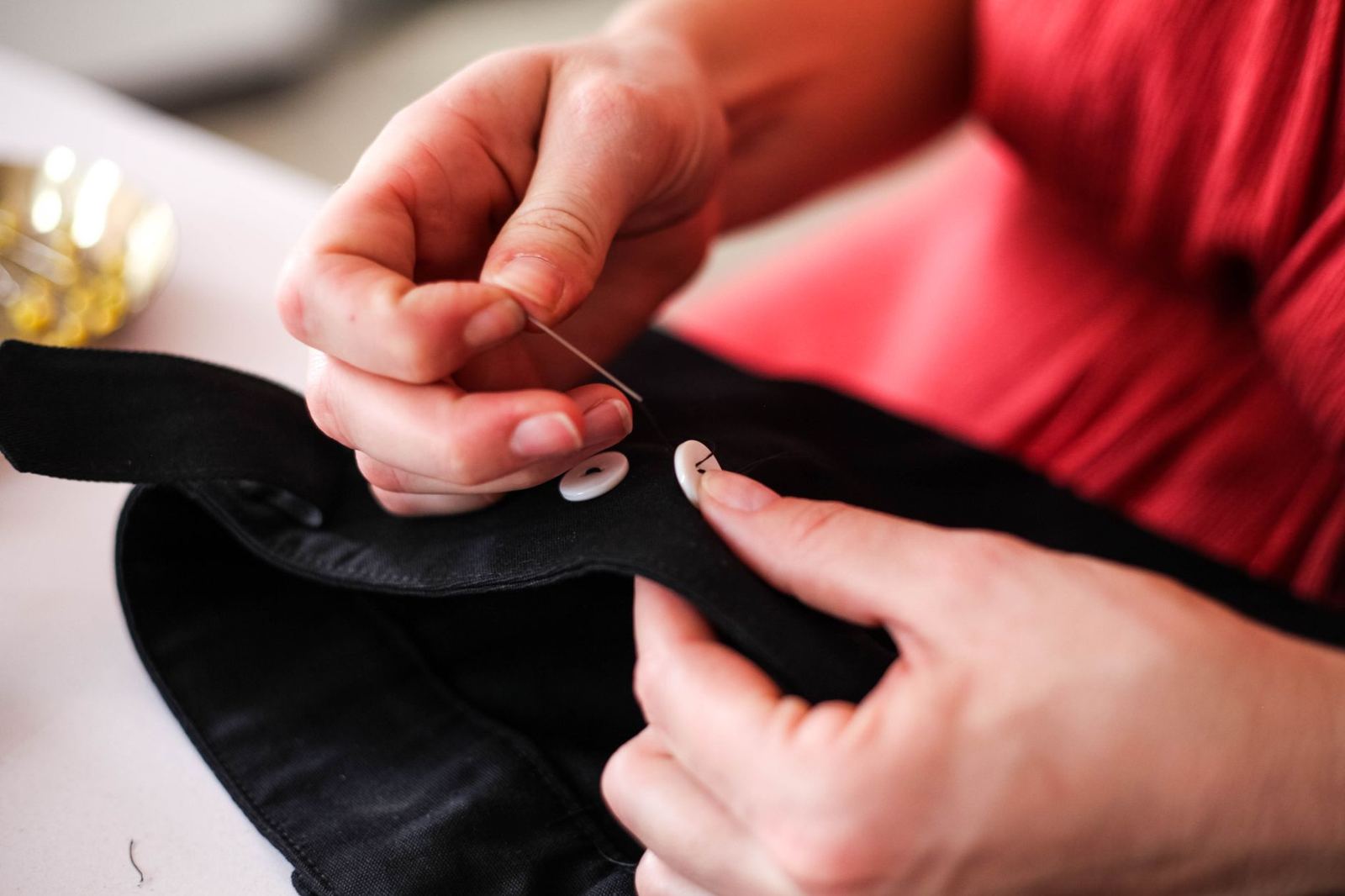
Wash water and spinning make small problems bigger. A loose button, a opening seam or a tiny hole can turn into a tear in one cycle. Glance over each item as you load, and set aside anything that needs a stitch first. Our guide on how to mend clothes covers the basic stitches you need.
Wash less often, cooler and shorter
The most effective change is also the simplest: wash less. Many garments do not need washing after every wear. Jeans, jumpers, jackets and skirts often just need airing, while underwear, socks, sportswear and anything worn close to skin in warm weather do need a regular wash.
A sniff test and a look for visible marks are reasonable guides. Hanging an item by an open window for a few hours refreshes it, and spot cleaning a small mark is gentler than a full cycle.
Lower the temperature and shorten the cycle
Heat and long agitation age fabric. Research from the University of Leeds, reported by RACQ, measured reductions in microfibre shedding (52%) and dye release (up to 74%) using a half-hour wash at 25°C. The report links cooler, shorter cycles with better preservation of clothing’s appearance.
A separate study led by Northumbria University points the same way. Microfibre release was 30% lower with the cooler, shorter setting (15°C for 30 minutes) than with the standard setting (40°C for 85 minutes), as Northumbria University’s own summary explains.
Cooler water has limits. Greasy work clothes, nappies, bedding after illness and heavily soiled items may need a warmer setting to get clean. Use cool water for everyday loads and save heat for the jobs that call for it.
Fill the drum, but do not cram it
A full load uses water and energy more efficiently. An overstuffed drum, however, stops clothes moving freely, so detergent does not rinse out and creases set in. Aim for a drum that is full but with a hand’s width of space at the top.
Use less detergent
More detergent does not mean cleaner clothes. Excess soap leaves residue that makes fabric stiff and dull, and attracts more dirt. Follow the dose for your water hardness and load size, and use liquid or powder suited to the colours you are washing. Our guide to how to wash clothes sustainably goes deeper on detergents, loads and water use.
Know what washing releases
Synthetic fabrics such as polyester, nylon and acrylic shed tiny plastic fibres in the wash. In Northumbria’s standard-cycle tests, average microfibre loss amounted to 114 mg for each kilogram of washed fabric. Shedding is also a sign of fabric breaking down, so gentler washing helps both the clothes and waterways. For practical options, read how to reduce microplastics when washing clothes.
Dry, iron and wear with less heat
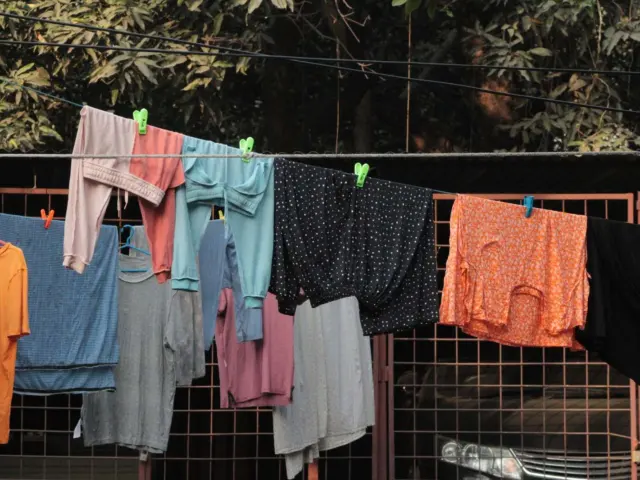
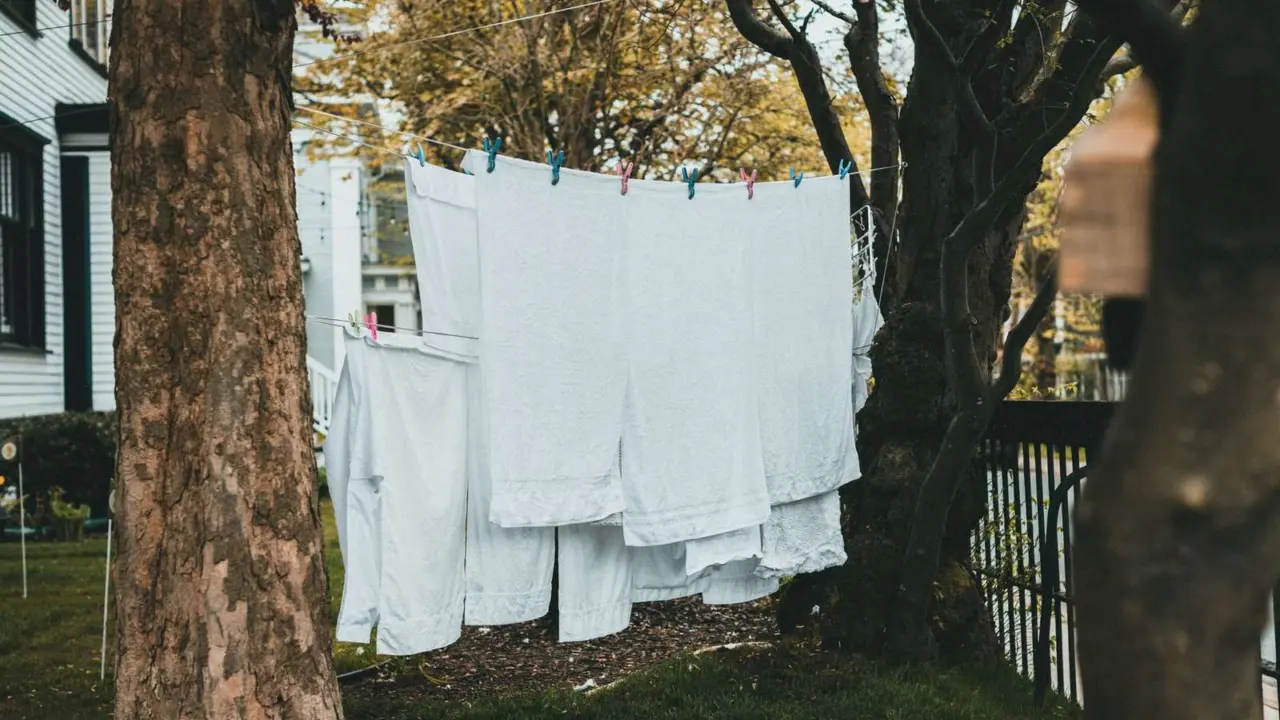
A tumble dryer is hard on fabric. The lint in the filter is fibre that has been rubbed off your clothes, so air drying keeps more of it where it belongs. It also cuts your energy use.
Air drying without damage
- Shake each garment out and smooth seams before hanging.
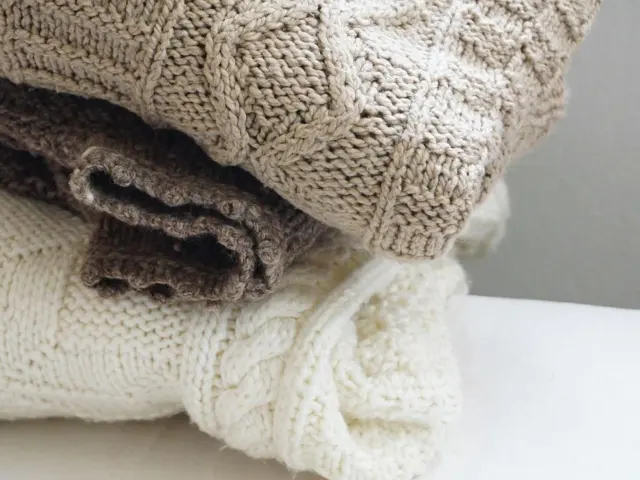
- Dry knitwear flat on a towel so it keeps its shape, because a wet knit hung on a line stretches.
- Hang shirts and trousers on a rack or hanger, using wide hangers for shirts to avoid shoulder bumps.
- Keep dark and bright items out of strong direct sun, which fades dyes, and dry them inside out.
- Use clothes pegs on hems or waistbands rather than on delicate fabric.
If you do use a dryer, choose a low heat and take items out slightly damp. Over-drying shrinks natural fibres, wears out elastic and sets creases. Clean the lint filter every time.
Iron less, and lower
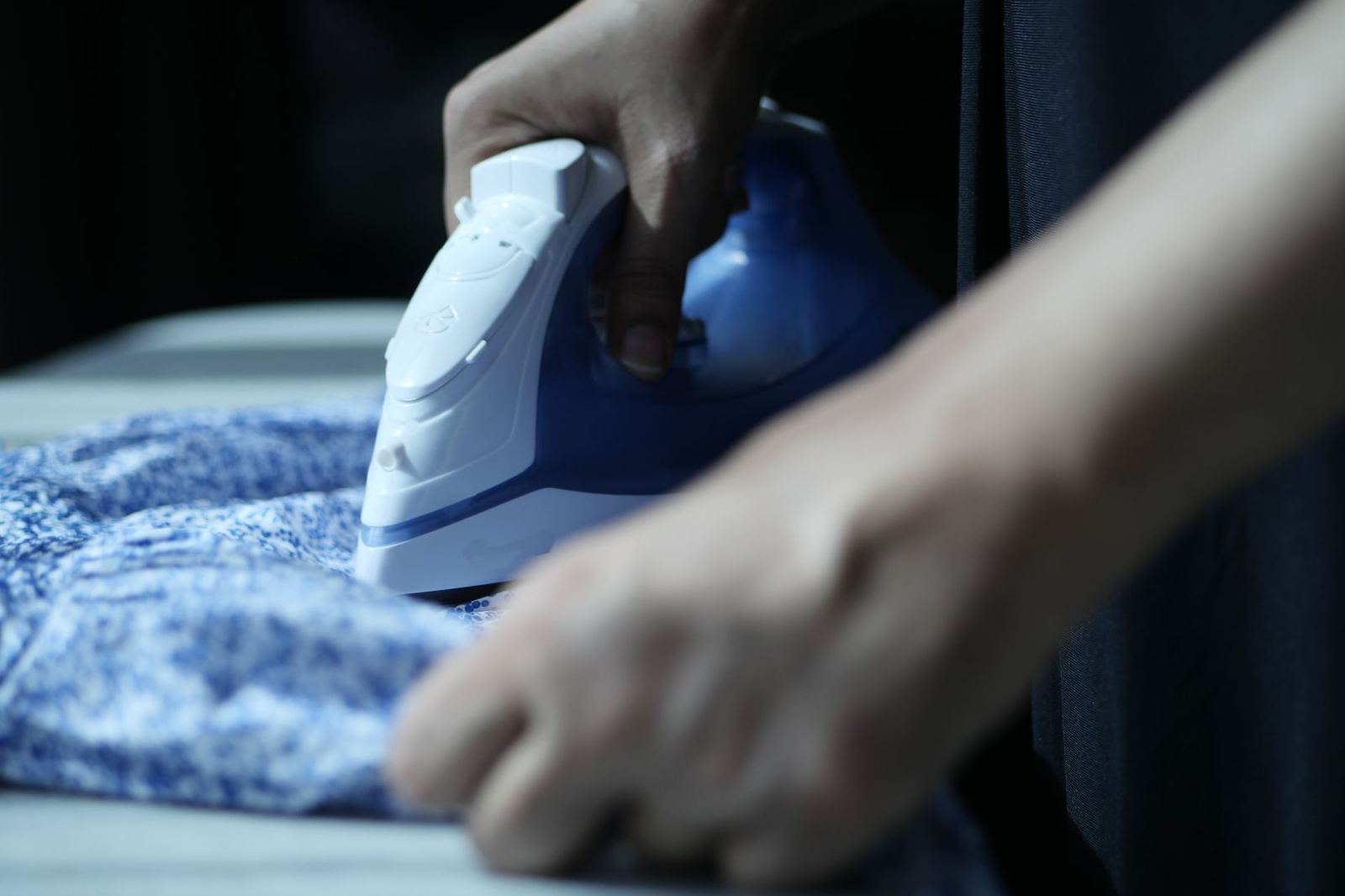
Many clothes can be smoothed by hanging them in a steamy bathroom or by using a handheld steamer. When you do iron, follow the label’s dot guide and use the lowest setting that works, with a cloth between the iron and delicate or dark fabrics so they do not shine.
Rotate what you wear
Giving garments a rest between wears lets natural fibres recover their shape. This matters most for shoes, wool jumpers and tailored trousers. A small rotation also spreads the wear evenly, so no single piece fails first.
Take special care with wool and knits
Wool is resilient but reacts badly to heat, agitation and hanging when wet. A gentle, cool wash and flat drying keeps it soft. See how to wash wool sweaters for the step-by-step method.
Handle stains, pilling and wear early
The sooner you act, the better your chances. Treat stains before they dry and avoid hot water on unknown marks, since heat can set protein stains such as blood, egg and milk. Blot rather than rub, which pushes the stain deeper and roughens the surface.
A few kitchen cupboard items cope with many everyday marks, from sweat to grass. Our guide on how to remove stains from clothes naturally lists methods by stain type.
Deal with pilling the right way
Pills are small balls of fibre that form where fabric rubs, such as under the arms or on the sides of a jumper. They are not a sign that a garment is poor, though loosely spun yarns and blends do pill more. Remove them with a fabric comb or shaver rather than pulling, which loosens more fibre. For a full routine, see how to prevent clothes from pilling.
Repair small things now
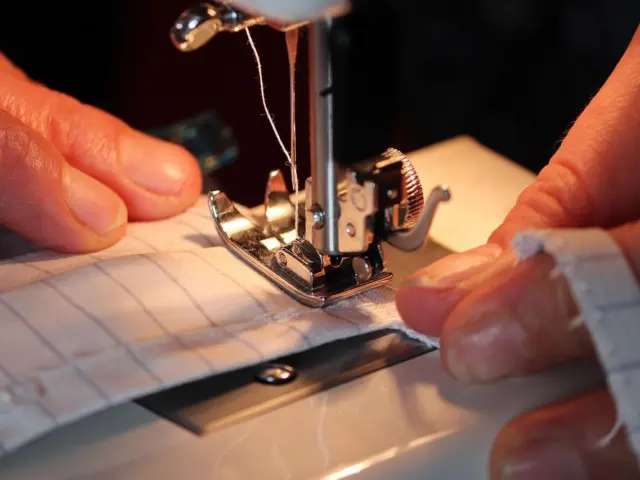
Mending is part of care. Sew on buttons as soon as they loosen, close seams that open, and darn thin spots in socks and knees before a hole forms. A visible patch can look intentional and personal rather than shabby.
Know when a garment has done its job
Sooner or later something is too worn to wear. Before it goes in the bin, consider whether it can have a second life as a cleaning cloth, a patch for other repairs or a new item. Ideas are in how to upcycle old clothes.
Store clothes so they keep their shape
Poor storage causes slow damage: stretched shoulders, moth holes, musty smell and creased fibres. Clean, dry and loosely stored is the rule for most garments.
Everyday storage
- Fold knitwear rather than hanging it, so the weight of the garment does not pull it out of shape.
- Hang jackets, shirts and dresses on shaped or wide hangers.
- Leave a little space in drawers and wardrobes so air can move around fabric.
- Keep the wardrobe dry, since damp encourages mould.
- Close zips and fasten top buttons on hanging garments to keep their line.
Protect against moths and pests
Moths and carpet beetles go for natural fibres, particularly wool, cashmere and silk, and are drawn to body oils and food residue. Wash or air items before storing them, and check stored pieces now and then. Cedar and lavender are traditional deterrents, though they work best alongside cleanliness rather than in place of it.
Seasonal storage
Out-of-season pieces need breathable containers such as cotton bags or cardboard boxes. Avoid sealed plastic bags for long periods, since trapped moisture causes damp. Our guide on how to store clothes long term goes into detail.
Choose well when you do buy
Care starts at the shop. Natural fibres and sturdy construction usually repay care better than flimsy items, and brands that publish repair or take-back policies show confidence in durability. Our list of ethical clothing brands is one place to start looking.
Care by fabric: what each material needs
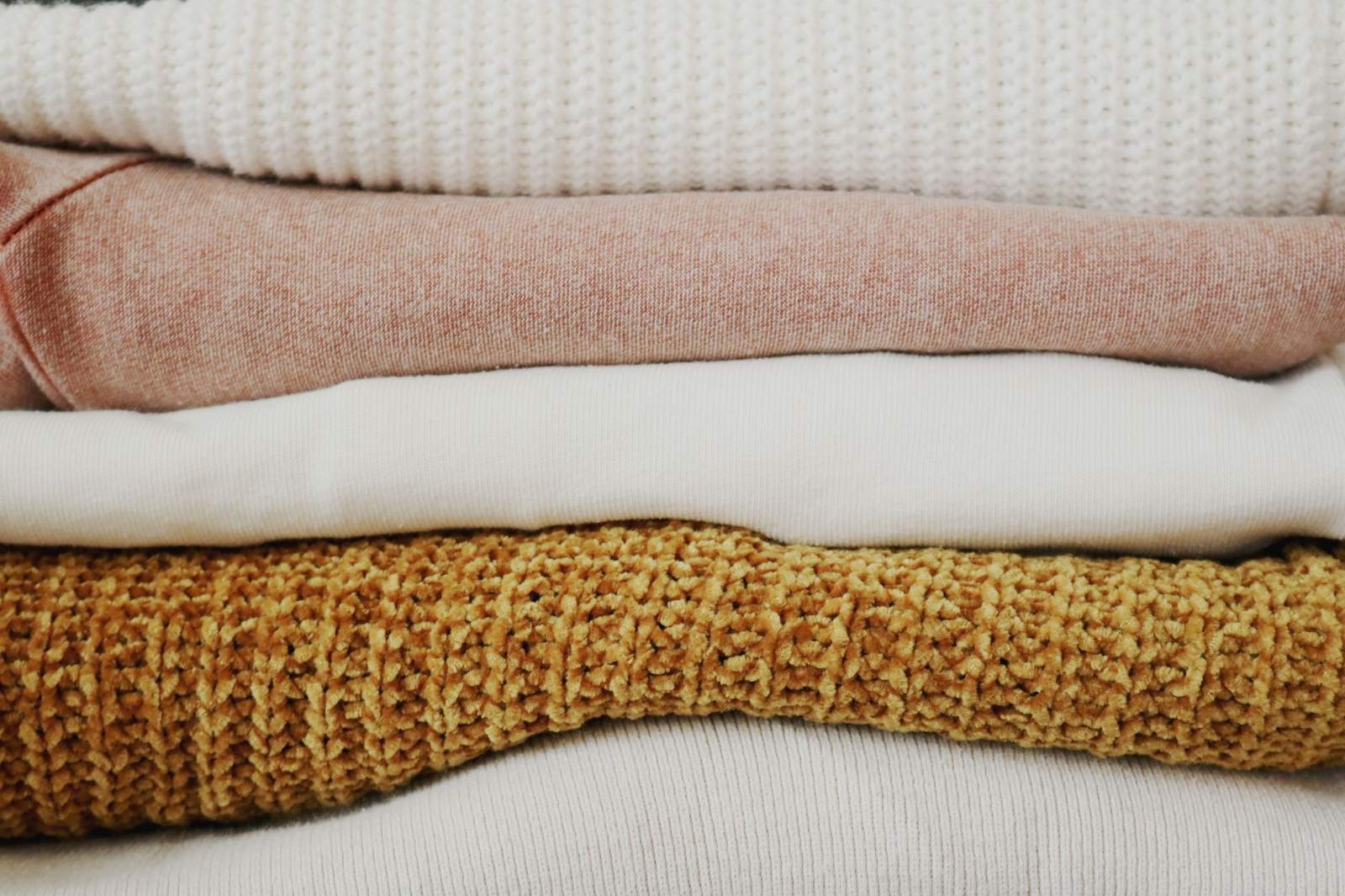
Different fibres age in different ways, so one routine does not fit every garment. A short guide to the common ones helps you adjust.
Cotton and linen
Cotton is tough and forgiving, and it tolerates regular washing well. Heat is its main enemy, because it shrinks the fibre and fades colour. Linen softens with every wash and is best dried in the shade, then smoothed while slightly damp.
Wool, cashmere and silk
Animal fibres need cool water, a mild detergent made for delicates and as little handling as possible. Never wring them. Press water out in a towel and dry flat. Silk should also stay out of direct sun, and it is best not to use strong stain removers on it.
Polyester, nylon and other synthetics
Synthetics are durable but hold on to smells and shed fibres. Wash them cool, avoid high dryer heat that can leave permanent creases, and use a mesh bag for thin pieces. Sportswear keeps its stretch longer if you skip fabric softener, which can coat the fibres.
Denim
Denim can go a long time between washes. When you do wash it, turn jeans inside out, use a cool cycle and hang them to dry. This protects the dye and the stretch fibres, and it keeps the waistband from loosening.
Shoes and accessories
Leather, canvas and woven items need their own routine. Brush off dirt while dry, wipe with a damp cloth, stuff shoes with paper to hold their shape, and let them dry away from radiators. Belts and bags last longer when stored upright and not crushed.
A simple routine you can keep
Good habits only work if they are easy. Here is a routine that costs little effort.
- Check the label when you buy and note anything unusual.
- Air items after wearing and wash only what needs it.
- Sort, fasten zips, turn items inside out and fix loose threads.
- Choose a cool, short cycle with a sensible amount of detergent.
- Air dry away from strong sun, flat for knits.
- Treat stains and pills quickly, and mend on the same week.
- Store clean, dry and uncrowded, and check for moths each season.
Start with one or two steps rather than all seven. Switching to cooler, shorter cycles and air drying knitwear usually makes the biggest visible difference, and both take seconds once they become habit. Add the others over a few weeks as each one starts to feel normal.
It also helps to keep a small basket for items waiting to be mended and a hook for clothes that only need airing. These two spots stop half-worn clothes from drifting into the laundry pile by default, and they keep repairs from being forgotten for months.
None of this needs special equipment. Over a year, it adds up to clothes that look better and last longer, which is where the savings in money and resources come from.
Frequently asked questions
How often should I wash my clothes?
Show answer
It depends on the item. Underwear, socks, sportswear and anything worn against skin in warm conditions need washing after each wear, while jeans, jumpers and outerwear can usually be aired and worn several times between washes.
Is washing at a low temperature really better for clothes?
Show answer
For everyday loads, yes. The University of Leeds study reported by RACQ found 25°C, 30-minute washes released 52% fewer microfibres and up to 74% less dye. Heavily soiled items may still need more heat.
Should I tumble dry or air dry?
Show answer
Air drying is gentler and uses less energy. If you must tumble dry, use low heat, remove items slightly damp and clean the lint filter each time.
Do I need to follow the care label exactly?
Show answer
It is the safest starting point, particularly for wool, silk and tailored pieces. Many cotton and synthetic basics tolerate gentler treatment than the label says, but going hotter or harsher is rarely a good idea.
How much difference does caring for clothes make?
Show answer
WRAP reports that nine extra months of life could cut carbon, water and waste footprints by up to 20%. Your own savings will depend on what you own and how you treat it.