Wondering what the fast fashion environmental impact really adds up to? It shows up in polluted water, carbon emissions, microplastics and mountains of discarded clothes, and your buying and washing habits change part of it.
This guide sits within our wider look at sustainable fashion.
| Item | Value |
|---|---|
| Share of global clean water pollution from textile production | About 20% |
| Water needed for one cotton t-shirt | 2,700 litres |
| Microplastic fibres from one polyester laundry load | Up to 700,000 |
| CO2 from EU textile purchases per person (2022) | About 355 kg |
| Clothing dumped per person each year in the EU | Around 12 kg |
| Used clothes recycled into new clothes | Only 1% |
These figures come from the European Parliament’s fast fashion page, last updated in September 2025. Figures can change, so check the source before you rely on them.
What makes fashion “fast”?
Fast fashion is a model built on cheap, frequently replaced clothing. Brands release new styles constantly, prices stay low, and garments are worn only a few times before they are thrown out.
The environmental problem comes from volume. Every garment needs fibre, water, dyes, energy and transport, and a model that multiplies the number of garments multiplies each of those costs.
The impact also builds up at different stages of a garment’s life. It is useful to separate them:
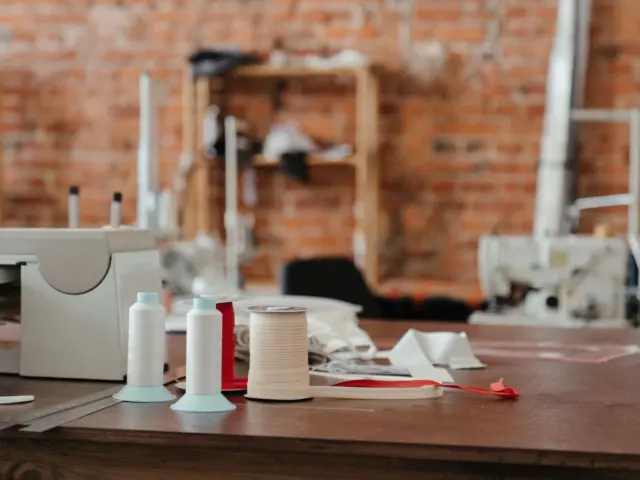
- Making the fabric: growing or producing fibres, then spinning, weaving, dyeing and finishing.
- Sewing and shipping: factory energy use and long transport chains.
- Using the garment: washing, drying and ironing at home.
- Disposal: landfill, incineration, export or, rarely, recycling.
How much water does fast fashion use and pollute?
Water is where the damage is easiest to see. According to the European Parliament, textile production is estimated to be responsible for about 20% of global clean water pollution, mainly from the dyeing process.
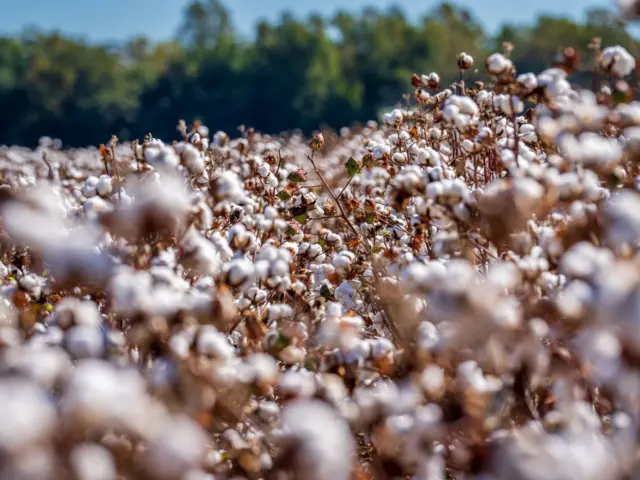
The same page estimates that a single cotton t-shirt needs 2,700 litres of fresh water, which it says is enough to meet one person’s drinking needs for 2.5 years. Those are estimates, so treat them as a sense of scale rather than an exact measure for every shirt.
The local effects are serious too. Parliament notes that water pollution from garment production harms the health of local people, animals and ecosystems where the factories are located.
For a European buyer, the water is mostly used far away. The EU’s average textile footprint in 2022 amounted to 323 square metres of land and 12 cubic metres of water per resident, alongside 523 kg of raw materials.
Carbon emissions and the microplastic problem
Making and moving clothes uses energy. According to a European Environment Agency report cited by Parliament, textile purchases in the EU in 2022 generated about 355 kg of CO2 emissions per person. Parliament compares that to roughly 1,800 km of travel by a standard petrol car.
Synthetic fabrics add a second problem that continues after you buy the item. Parliament reports that washing polyester can shed 700,000 tiny plastic fibres per load, potentially contaminating food chains.
According to Parliament, textile microplastic shedding is concentrated in the earliest washes.
That makes fabric choice part of the picture. Our sustainable fabrics guide explains how different fibres compare.
Where do the clothes end up?
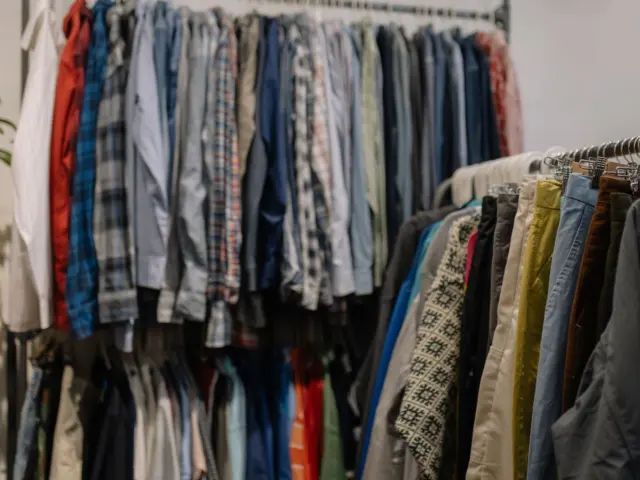
The end of the chain is where fast fashion looks most wasteful. Around 12 kg of clothing per person is dumped each year in the EU.
Exporting used clothes does not solve this. Parliament puts the share of used clothing ultimately burned or sent to landfill at 87%, while also noting exports beyond the EU.
Recycling is not catching up either. Parliament reports that collection for reuse or recycling reaches fewer than half of used garments. Just 1% becomes new clothing; the necessary fibre-recovery technology is still emerging.
Reading the numbers fairly, and the costs you cannot see
Environmental figures for clothing come with limits, and it helps to know them before you quote one. Many are estimates, and the European Parliament itself words several of them that way, such as the water needed for a cotton t-shirt.
The figures also mix scopes. Some describe the whole world, as with water pollution. Others describe the European Union only, such as the emissions per person and the clothing dumped each year.
Three habits keep you accurate:
- Check whether a number is global or for one region.
- Check the year, because footprints and rules change.
- Treat a single figure as a sign of scale, not as a verdict on one garment or one brand.
None of this weakens the main message. Even with those limits, the pattern is consistent across water, climate, microplastics and waste: more garments, worn for less time, means a larger footprint.
Most of the damage happens out of sight. The fibre is grown or made in one place, dyed in another, sewn in a third and sold somewhere else, so the shop floor shows none of it.
Low prices hide the cost too. When a garment is cheap, it is easy to treat it as disposable, and that attitude feeds the waste that ends up dumped, burned or buried.
Washing is the part you control most directly. Because synthetic clothes shed fibres in the machine, garment care also contributes to their environmental impact.
What is being done, and what can you do?
Policy is moving, slowly. The European Commission presented a strategy in March 2022 to make textiles more durable, repairable, reusable and recyclable, and to tackle fast fashion.
Under the text Parliament describes, EU countries have been required since January 2025 to collect textiles separately for re-use and recycling.
Rules only reach part of the problem, so personal habits still count. These steps follow directly from the impacts above:
- Buy less, and wear more: fewer garments means fewer resources used overall.
- Choose durable pieces you can repair, rather than trend items.
- Wash synthetic clothes less often, since the first few washes release the most microplastics.
- Pass on clothes you no longer wear through collection or reuse schemes instead of the bin.
If you want a broader mindset shift, read about what is slow fashion and how it approaches buying and making clothes.
Frequently asked questions
Is fast fashion really that bad for the environment?
Show answer
The evidence points to real harm in water pollution, emissions, microplastics and waste. The scale depends on how many garments are made and how briefly they are worn.
Which part of fast fashion pollutes water the most?
Show answer
The European Parliament links textile production to about 20% of global clean water pollution, mainly from dyeing.
Does recycling clothes fix the problem?
Show answer
Not yet. Parliament says only 1% of used clothes are recycled into new clothes, because the technology to turn them into virgin fibres is only now emerging.
Can washing less help?
Show answer
For synthetic items it can. A polyester load can release 700,000 microplastic fibres, and most are released during the first few washes.