You keep hearing the term and want a plain answer: what is slow fashion? It means buying fewer, better-made clothes, wearing them for years, and repairing or passing them on instead of chasing trends.
It is one practical part of sustainable fashion, focused on how much and how often you buy.
| Item | Value |
|---|---|
| Slow fashion compared with fast fashion | The opposite of fast fashion |
| Fresh water to make one cotton t-shirt (estimate) | 2,700 litres |
| CO2 from EU textile purchases per person, 2022 | About 355 kg |
| Used garments collected for reuse or recycling | Less than half |
| Used clothes recycled into new clothes | 1% |
The figures come from the European Parliament’s fast fashion explainer and can change, so check the source before you rely on them.
What slow fashion means
Slow fashion has no single legal definition. Good On You describes it as an approach that considers clothing production and resource use while favouring durable designs over short-lived trends. The same guide puts it simply: slow fashion is the opposite of fast fashion.
The European Parliament describes fast fashion as being based on mass production, low prices and high sales volumes. Slow fashion turns each of those around: smaller volumes, fair prices for lasting items, and fewer purchases overall.
It is a mindset more than a shopping list. You do not need to throw out what you own or buy a new “ethical” wardrobe to take part.
Core principles of slow fashion
EBSCO’s research overview says key principles of slow fashion include choosing durable clothes, buying used items, and extending their usefulness through repairs or alterations. In practice that comes down to a few habits:
- Buy less: fewer new items, chosen on purpose.
- Choose quality: good stitching, lining and details that help clothes last longer.
- Go timeless: pieces that stay wearable beyond a single season.
- Extend life: mend, alter, restyle or resell.
- Buy secondhand first: vintage and preloved clothes often have fine stitching and lining.
Good On You also notes that slow fashion brands often release few, specific styles per collection, or a permanent seasonless collection, rather than constant new drops.
How slow fashion differs from fast fashion
The two approaches differ in almost every step, from design to disposal. Fast fashion relies on constant newness and low prices, which encourages you to buy often and discard quickly. Slow fashion asks you to slow the whole cycle down.
- Pace: constant new drops versus a few styles or a seasonless collection.
- Volume: high sales volumes versus fewer items owned and loved.
- Quality: cheap stitching versus construction meant to last.
- End of life: quick disposal versus repair, resale and reuse.
The shift is as much about you as about brands. The most sustainable garment is often the one already in your wardrobe, so the biggest lever is simply how long you keep wearing it.
Why it matters: what the numbers show
Making clothes takes resources. The European Parliament puts estimated freshwater use for a cotton t-shirt at 2,700 litres.
For 2022, the cited EEA estimate assigns roughly 355 kg of CO2 per EU resident to textile buying. Estimates like these vary by method, so treat them as indicators rather than exact totals.
What happens at the end matters too. Collection for reuse or recycling reaches fewer than half of used garments; garment-to-garment recycling accounts for just 1% of used clothing. Wearing what you own for longer delays disposal and can reduce replacement purchases. For the wider picture, see this guide to the fast fashion environmental impact.
Simple ways to start
You do not have to change everything at once. Pick one or two steps and build from there.
A step-by-step starting plan
Begin with what you already own, because that costs nothing and teaches you the most about your own habits. Notice which items you reach for again and again, and which ones never leave the wardrobe. The patterns tell you what to look for next time and what to skip.
- Take stock. Look at what you already own and note what you actually wear.
- Pause before buying. Ask whether you will wear the item many times and whether it works with things you have.
- Check the build. Look at seams, stitching and lining before you pay.
- Try secondhand first. Vintage and thrift shops often hold well-made pieces.
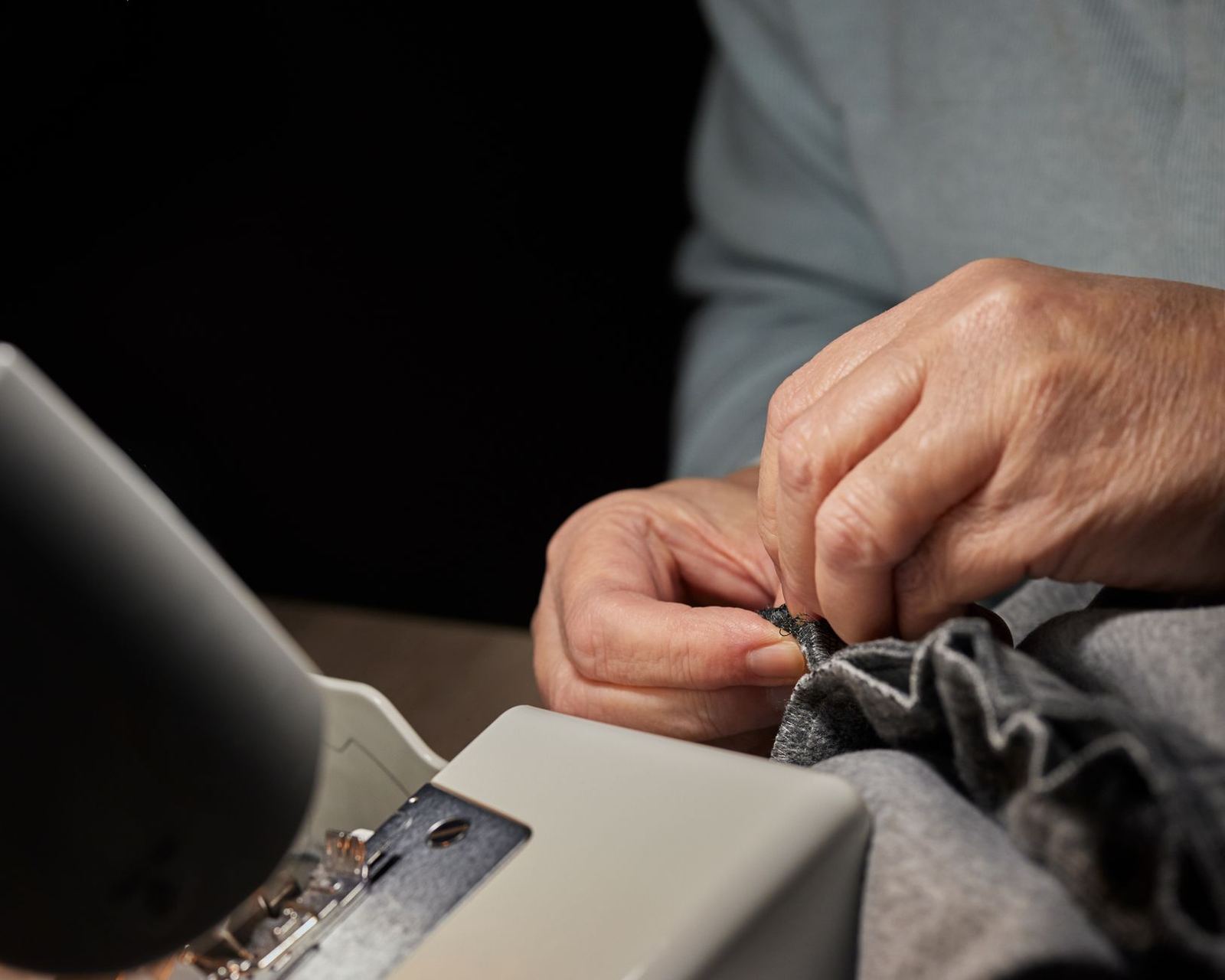
- Mend and care. Sew a button, fix a hem, or repair a seam before replacing a garment.
- Pass it on. Resell, swap or donate clothes you no longer wear.
Building a wardrobe that lasts
Over time, aim for a small set of pieces that mix and match: a few neutral basics, one or two items you love, and layers for each season. Choose materials and cuts that suit your daily life rather than an imagined one. Fit matters as much as fabric, because clothes that fit well get worn more.
When something needs replacing, look secondhand first, then consider a brand with few, specific styles per collection. Keep a short list of gaps in your wardrobe so you buy to fill a need instead of reacting to a sale. Many people find that a gap on the list often disappears after a few weeks, which saves the purchase entirely.
Washing matters as well. The Parliament notes that most microplastics from textiles are released during the first few washes. Buying fewer new synthetic items reduces the number of first washes.
Common mistakes and how to avoid them
Many people start with enthusiasm and then stall. A few traps are worth knowing about before you begin.
- Replacing everything at once: clearing out a working wardrobe to buy “better” items creates its own waste. Wear what you have first.
- Assuming expensive means durable: price alone says little. Check seams, stitching and lining yourself, as EBSCO’s overview suggests.
- Buying “slow” items you will not wear: a well-made piece that stays in the cupboard is still a poor purchase.
- Treating it as all or nothing: small, steady changes are easier to keep than a strict rule.
A useful test is to picture wearing an item many times across different outfits. If you cannot, leave it on the rail.
Care is part of the picture too. Gentler washing, air drying and prompt repairs help clothes last, and the Parliament’s note about early washes is a reminder that new synthetic pieces shed most at the start.
Slow fashion, sustainable fashion and greenwashing
Good On You says slow fashion and sustainable or ethical fashion have a lot of similarities. Slow fashion centres on pace and quantity; sustainable fashion also covers materials, labour and supply chains.
Be careful with labels. Brands sometimes use words like “slow” or “conscious” as marketing, so read up on what is greenwashing in fashion before trusting a claim. The Parliament reports that legislation adopted by MEPs in 2024 targets unsupported, broadly worded environmental product claims.
Frequently asked questions
Is slow fashion more expensive?
Show answer
Single items can cost more up front. Buying fewer pieces, shopping secondhand and mending what you own can offset that, so your yearly spend may not rise.
Do I have to buy only from slow fashion brands?
Show answer
No. The core habit is using what you have longer. Secondhand, swaps and repairs all count and can reduce demand for new production when they replace new purchases.
Is slow fashion the same as sustainable fashion?
Show answer
Not exactly. They overlap, but slow fashion focuses on buying less and wearing longer, while sustainable fashion also covers materials and supply chains.
What is the easiest first step?
Show answer
Pause before your next purchase and ask if you will wear it many times. Then try repairing or restyling one item you already own.