Wondering where to start with sustainable fashion? You don’t need a new wardrobe. Wear what you own for longer, buy fewer and better pieces, and choose secondhand first.
| Item | Value |
|---|---|
| Textiles generated in US municipal solid waste (2018) | 17 million tons |
| Share of total US municipal solid waste (2018) | 5.8 percent |
| Recycling rate for clothing and footwear (2018) | 13 percent |
| Water used by the fashion industry each year (UN News, 2019) | 93 billion cubic metres |
| Water to make one pair of jeans (UN News, 2019) | around 7,500 litres |
| Textiles landfilled in the US (2018) | 11.3 million tons |
These figures come from the US EPA textiles data page and UN News. They can change as new data is published, so check the source before you rely on them.
What sustainable fashion actually means
Sustainable fashion is an approach to clothing that tries to reduce harm to people and the planet across a garment’s whole life. That covers how fibres are grown, how fabric is made and dyed, how workers are treated, how the clothes are used and what happens when you no longer want them.
There is no single legal definition, and that is the first thing worth knowing. Two brands can both call themselves sustainable while doing very different things. A label is a starting point for questions, not an answer.
It helps to think in three layers:
- Materials: what the garment is made from and how that fibre was produced.
- Making: energy, water, chemicals and working conditions in the factories.
- Using and ending: how often you wear it, how you look after it, and whether it can be repaired, resold or recycled.
Most beginners focus on the first layer because it is easy to see on a label. The third layer is often where you have the most control, because it depends on your own habits rather than a brand’s claims.
Why clothing has an environmental footprint
Water, carbon and volume
Clothes feel light and harmless, but making them takes land, water, energy and chemicals. According to UN News in March 2019, the fashion industry uses some 93 billion cubic metres of water a year, and it takes around 7,500 litres of water to make a single pair of jeans.
Climate is the other big piece. A report from the Ellen MacArthur Foundation, covered by Eco-Business, said textile production emits 1.2 billion tonnes of greenhouse gases annually. The report also projected that unchanged practices could leave fashion using a quarter of the world’s annual carbon budget by 2050.
Volume is a driver of both. The same UN News piece notes that clothing production doubled between 2000 and 2014. More garments made, and often worn only a few times, means more resources used for less benefit.
If you want the full picture of how cheap, rapid production causes harm, the fast fashion environmental impact guide goes through it step by step.
What happens to clothes when you stop wearing them
The end of a garment’s life matters as much as its start. The US EPA estimated that textiles made up 17 million tons of municipal solid waste in 2018, or 5.8 percent of the total that year, according to its textiles data page (an archived copy of the page).
Most of it did not get a second life. In 2018, per the same EPA page, landfills received 11.3 million tons of textiles and 3.2 million tons were burned in combustion. Of the textiles entering the US waste stream in 2018, an estimated 2.5 million tons (14.7 percent) were recycled.
For clothing and footwear alone, the EPA estimate was a recycling rate of 13 percent in 2018. That figure is based on information from the American Textile Recycling Service, so treat it as an estimate.
These are United States numbers, so treat them as an illustration rather than a global total.
The practical lesson is simple. Keeping a garment in use is almost always better than sending it to be recycled, because recycling is still limited for many fabrics, especially blends. Your best outcome is a piece you wear until it is worn out, or one that passes to someone else.
The core habits that make the biggest difference
You can spend a lot of money trying to shop your way to sustainability, which defeats the point. The habits below cost little and work with almost any budget.
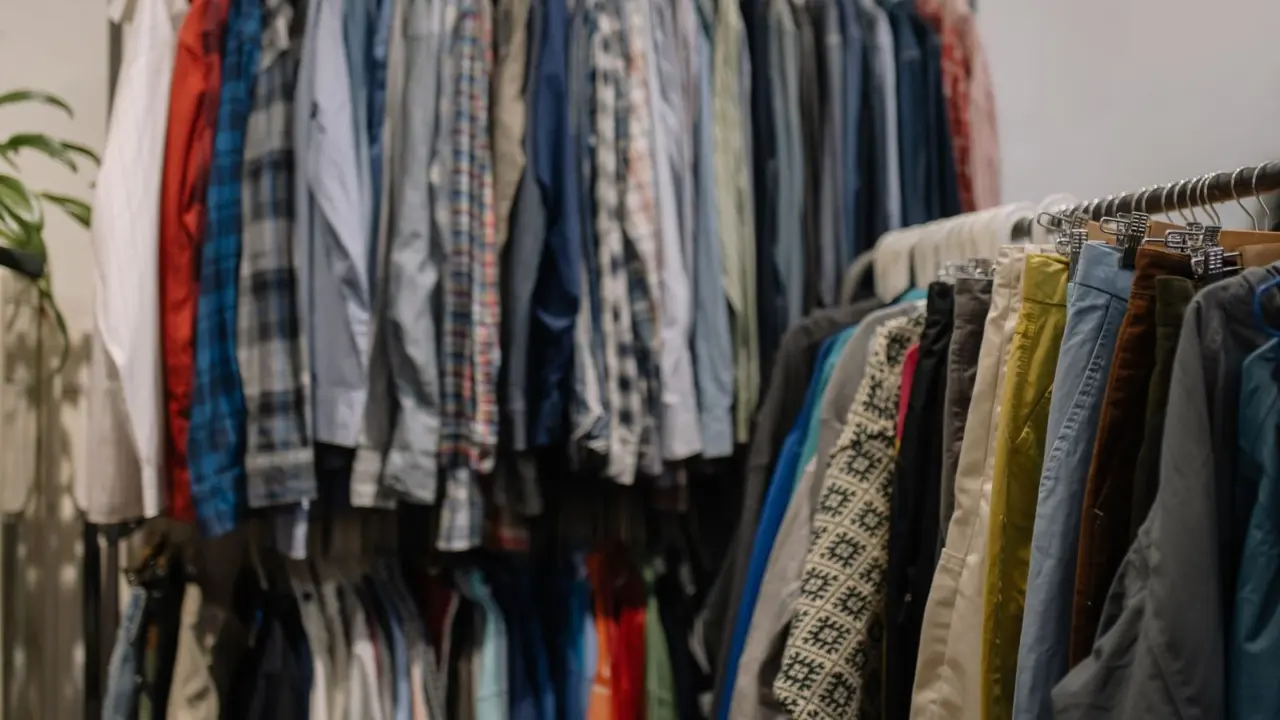
- Take stock first. Look at what you already own and what you actually wear. Most people rely on a small share of their wardrobe.
- Pause before buying. Wait a few days. If you still want the item, ask whether you can name three outfits it would go with.
- Buy for the long term. Check seams, fabric weight and fit. A well-made piece you love will outlast a trendy one.
- Look secondhand first. Resale, swaps and hand-me-downs keep existing garments in use and can reduce demand for new production.
- Care and repair. Small fixes and sensible washing add months or years of use.
- Pass it on. When you are done, sell, donate to a place that will actually use it, or hand it down.
Habits stick best when they are tied to moments you already have. Check your wardrobe at the change of each season, mend items while you watch something in the evening, and keep a note on your phone of the gaps you have noticed. Small routines like these keep impulse buying in check without relying on willpower.
It also helps to be kind to yourself. Everyone buys something they regret now and then. What counts is the pattern over months and years, and whether you learn from each slip and wear the item as often as you can.
None of these steps depends on a brand being perfect. They shift the question from “which label is greenest?” to “how long will I keep this?”, which is a question you can answer yourself.
Slow fashion and the capsule wardrobe
Slow fashion is the mindset behind many of these habits: fewer purchases, higher quality, and clothes chosen to last in both style and construction. If the term is new to you, read what is slow fashion for the background and the common misunderstandings.
A capsule wardrobe is one practical way to put that into action. It means a small, mixable set of pieces you wear often. Our guide on how to build a capsule wardrobe covers how to choose a colour palette, decide what to keep and fill gaps without overbuying.
Two cautions apply. First, a capsule is not a reason to throw out working clothes and start again; that creates its own waste. Second, “minimal” is not the goal in itself. A wardrobe is sustainable when you wear it, not when it is small.
Fabrics, secondhand and care
Understanding fabrics and fibres
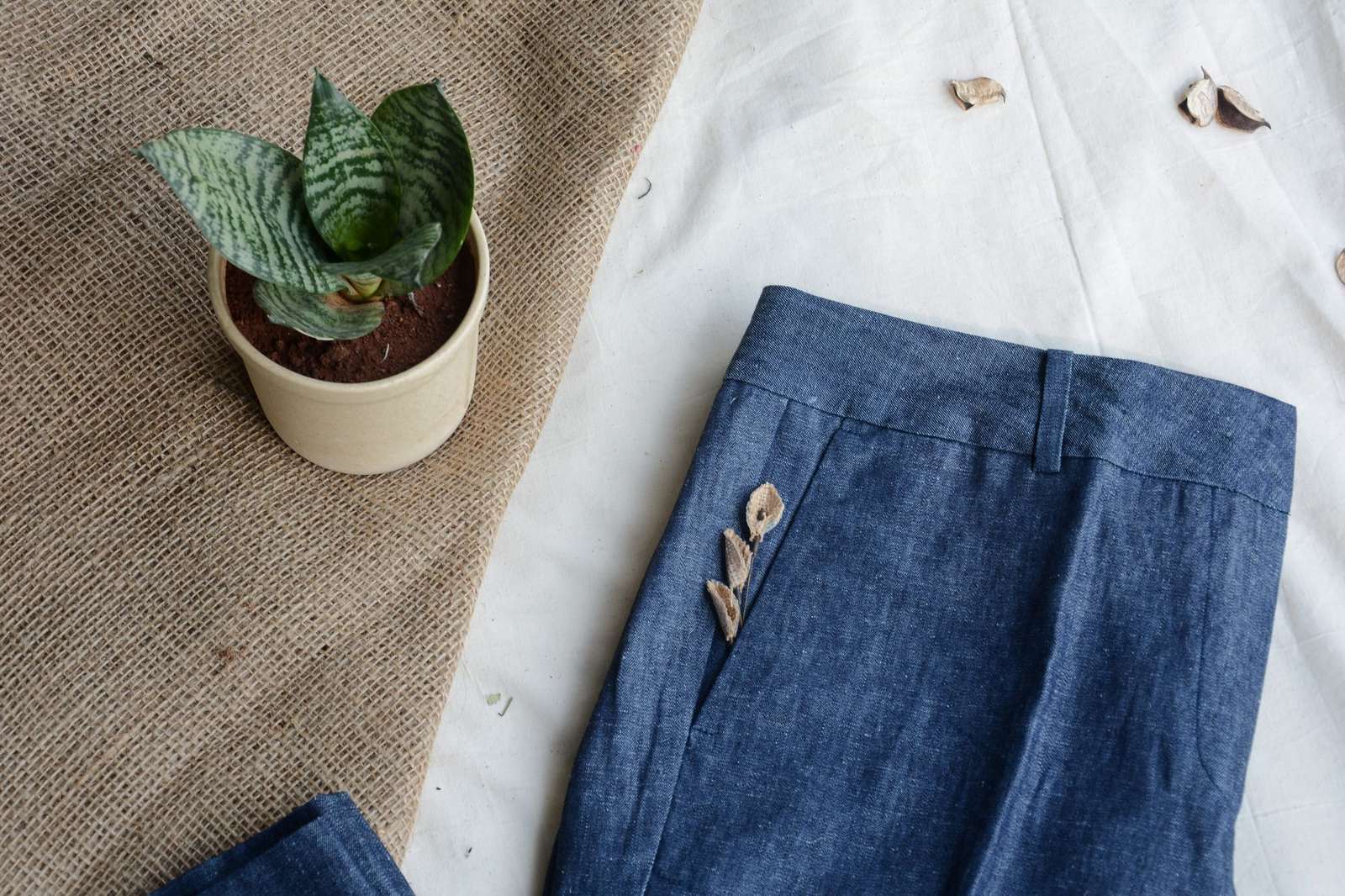
Every fibre has trade-offs, and none is perfect. Natural fibres such as cotton, linen, hemp and wool come from agriculture and animals, so land, water and farming methods matter. Synthetic fibres such as polyester come from fossil fuels and can shed microfibres when washed.
The UN News article reports that around half a million tons of microfibre is dumped into the ocean every year, which is one reason washing habits get attention. Eco-Business, reporting on the Ellen MacArthur Foundation, gives a similar figure of half a million tonnes of plastic microfibres a year. Both are estimates, and they do not say how much comes from any one fibre type.
A quick comparison helps when you are deciding in a shop:
- Conventional cotton: breathable and familiar, but farming can need a lot of water and chemicals.
- Organic cotton: grown without synthetic pesticides, but it still needs water and often costs more.
- Linen and hemp: strong, long-lasting fibres, though they can be harder to find at low prices.
- Wool: warm, long wearing and repairable, with animal welfare and land use to consider.
- Polyester: cheap, durable and quick drying, but made from fossil fuels and prone to shed microfibres.
Treat this list as a rough guide rather than a ranking. How a fibre is farmed or produced, and how long you keep the garment, can change the picture a great deal.
For the details, our sustainable fabrics guide compares the options. Two focused pieces go deeper: is polyester bad for the environment and organic cotton vs regular cotton.
The honest summary is that the most sustainable fabric is usually the one already in your wardrobe. A polyester jacket worn for ten winters can beat an organic cotton top worn twice.
Buying secondhand and looking after what you own
Secondhand is the simplest sustainable choice because it keeps an existing garment in use. Charity shops, resale apps, vintage stores, swaps and community groups all work. Our guide to how to shop secondhand clothes shows how to check quality, find the right size and avoid impulse buys.
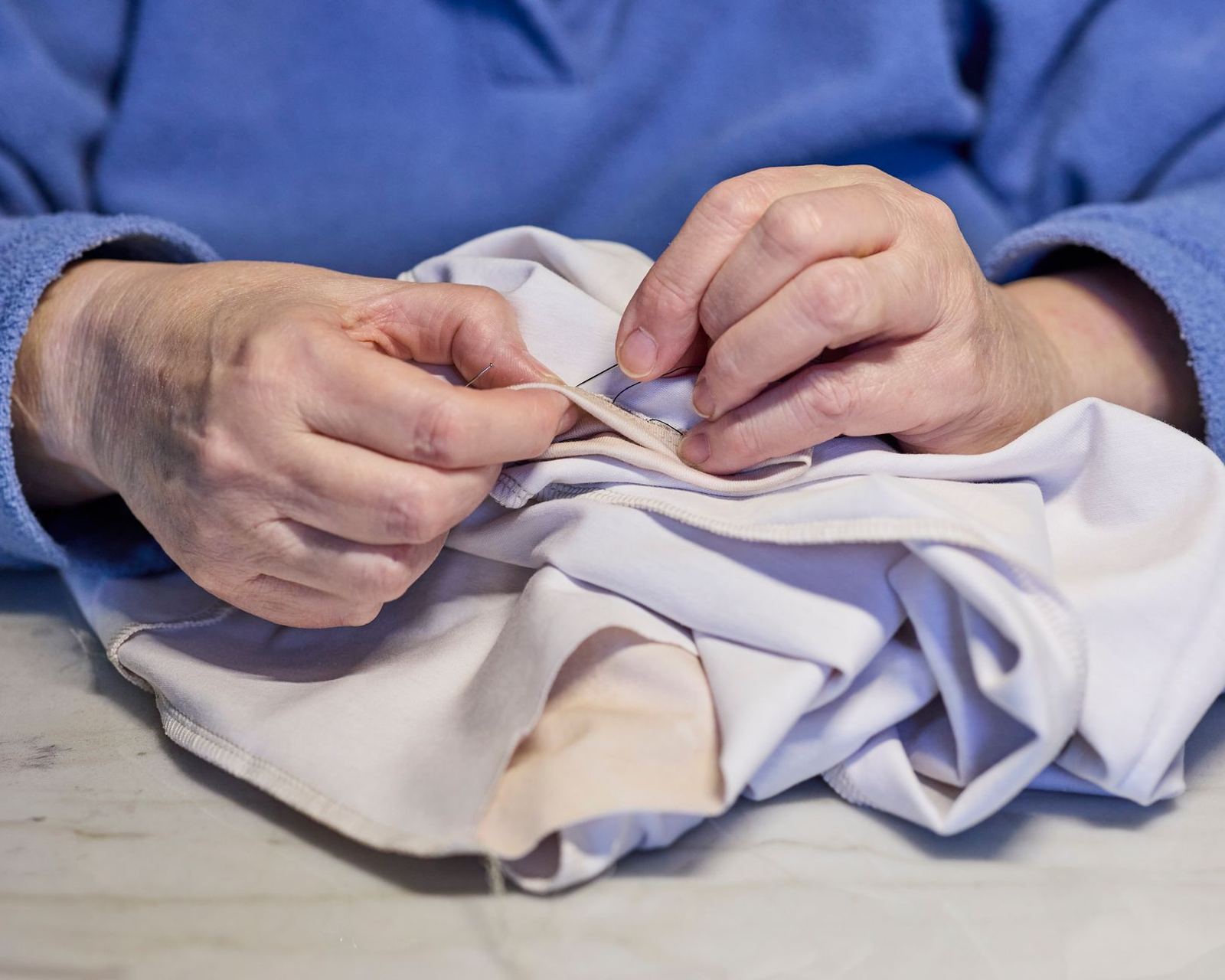
Care is the other half. Washing less often, using cooler cycles, air drying and fixing small damage early all slow wear. For a full routine, see how to care for clothes, which covers stains, storage and mending.
A few easy care habits are worth building:
- Read the care label before the first wash.
- Wash full loads and avoid over-washing items that are not dirty.
- Sew on buttons and fix loose hems straight away.
- Store knitwear folded, not hung, so it keeps its shape.
These steps add life to clothes you already own, which is the most direct way to cut the footprint of what you wear.
Greenwashing, brands and smarter buying
How to spot greenwashing and choose brands
Greenwashing means making a company or product sound more environmentally friendly than it really is. It shows up as vague words, leafy imagery and claims with no evidence behind them. Our explainer on what is greenwashing in fashion gives examples.
When you read a brand’s claim, test it with a few questions:
- Is the claim specific, such as a named material, a measured result or a stated target?
- Does it say what the claim is compared with?
- Can you find the evidence, such as a certificate, a report or a supplier list?
- Does the brand also keep producing huge volumes of new items?
Words like “eco”, “green” and “conscious” on their own tell you very little. Be especially careful when a brand highlights one small product line while saying nothing about the rest of its range.
If you decide to buy new, it is reasonable to look for transparent makers. Our overview of ethical clothing brands explains how to compare them. This site is independent and is not affiliated with any brand, so treat any named company as an example, not an endorsement.
People matter as much as materials
Sustainability is not only about carbon and water. The people who grow fibre, spin yarn, dye fabric and sew garments are part of the picture, and fair pay and safe workplaces are central to any honest definition of the term.
This is the hardest part for a shopper to judge, because supply chains are long and often hidden. A low price does not prove that workers were treated badly, and a high price does not prove they were treated well. What helps is transparency: brands that publish where their clothes are made, and that explain how they check conditions, give you something to evaluate.
You can use a few practical signals:
- A published list of factories or suppliers, not just a country of origin.
- Clear statements about wages and how they are verified.
- Independent audits or certifications that you can look up yourself.
- Willingness to admit problems and say what is being done about them.
No single signal is proof. Together they tell you whether a brand is open about its practices or simply telling a good story.
Common myths worth dropping
Beginners often hold a few ideas that make the whole subject feel harder than it is. Clearing them up makes it easier to act.
- “It is all or nothing.” It is not. Every extra wear of a garment you own helps, and nobody has to be perfect.
- “Natural always beats synthetic.” Not always. A natural fibre grown with heavy inputs and worn rarely can do more harm than a durable synthetic piece worn for years.
- “A recycling bin solves it.” Donating or recycling feels good, but as the EPA data above shows, a large share of textiles still ends up in landfill or is burned.
- “Sustainable means expensive.” The cheapest sustainable option is nearly always the clothing you already own.
- “A green label means it is verified.” Many words used in marketing have no fixed meaning, so ask for specifics.
The shared thread is that quantity and lifespan matter more than any single claim. If you buy less, wear more and keep things going, you are doing most of what sustainable fashion asks.
A simple checklist before you buy
When something catches your eye, run through these questions in order. These questions can help you reconsider an impulse purchase.
- Do I need it? Name the gap it fills in your wardrobe.
- Do I have something similar? If so, can that item be repaired or restyled instead?
- Can I get it secondhand? Search resale and swap options first.
- Will it last? Check stitching, lining, fabric feel and whether the fit works for your body now.
- Can I care for it? Dry-clean-only items you will never take to a cleaner are a poor fit for your life.
- What happens after? Consider whether it could be resold, handed on or repaired later.
Over time the checklist becomes automatic. You will notice that you buy less often, regret less and feel more satisfied with what you own.
A realistic first month
Starting is easier when the steps are small. Here is a simple plan you can adjust to your budget and life.
- Week one: sort your wardrobe, set aside items that need repair and note what you actually wear.
- Week two: mend what you can, and learn the care labels on your most-worn pieces.
- Week three: make a short list of real gaps, and search secondhand for each before looking anywhere else.
- Week four: adopt a waiting rule for new purchases and decide where unwanted items will go.
Do not aim for perfection. Sustainable fashion is a set of repeated small choices, and a slow, steady change is more likely to last than a sudden clear-out.
Frequently asked questions
Is sustainable fashion more expensive?
Show answer
It can be when you buy new from small makers, but it does not have to be. Secondhand, swaps, repairs and simply wearing clothes longer often cost less than buying new.
Is recycling clothes enough?
Show answer
No. The EPA’s page reports that the recycling rate for clothing and footwear in the United States was estimated at 13 percent in 2018. Keeping clothes in use for longer and passing them on usually does more than relying on recycling.
Which fabric is the most sustainable?
Show answer
No fibre wins in every case. Each has trade-offs in farming, chemicals, energy and microfibre shedding, so the most sustainable choice is usually a durable piece you will wear many times.
How can I tell if a brand is greenwashing?
Show answer
Look for vague wording, missing evidence and claims that cover only a tiny part of the range. Specific, checkable information, such as named materials and published reports, is a better sign.
Do I need to throw out my old clothes to be sustainable?
Show answer
No. Discarding working clothes creates waste of its own. Wear what you have, repair it, and pass it on only when you no longer use it.