You may wonder, is polyester bad for the environment, or just unfashionable? Partly yes: it is fossil-based and sheds microplastics. Yet how long you wear a piece often matters more than the fibre.
This guide is part of our wider look at sustainable fashion.
| Item | Value |
|---|---|
| Polyester’s share of global fibre output (2024) | 59% |
| Global fibre production (2024) | 132 million tonnes |
| Recycled polyester production (2024) | 9.3 million tonnes |
| Plastic released into oceans each year (IUCN estimate) | 9.5 million tonnes |
| Share of that plastic that could be primary microplastics | 15 to 31% |
Figures come from a trade report on Textile Exchange’s data and the IUCN’s 2017 study. Estimates get revised, so check the sources before you rely on them.
Is polyester bad for the environment? What it is and why it dominates
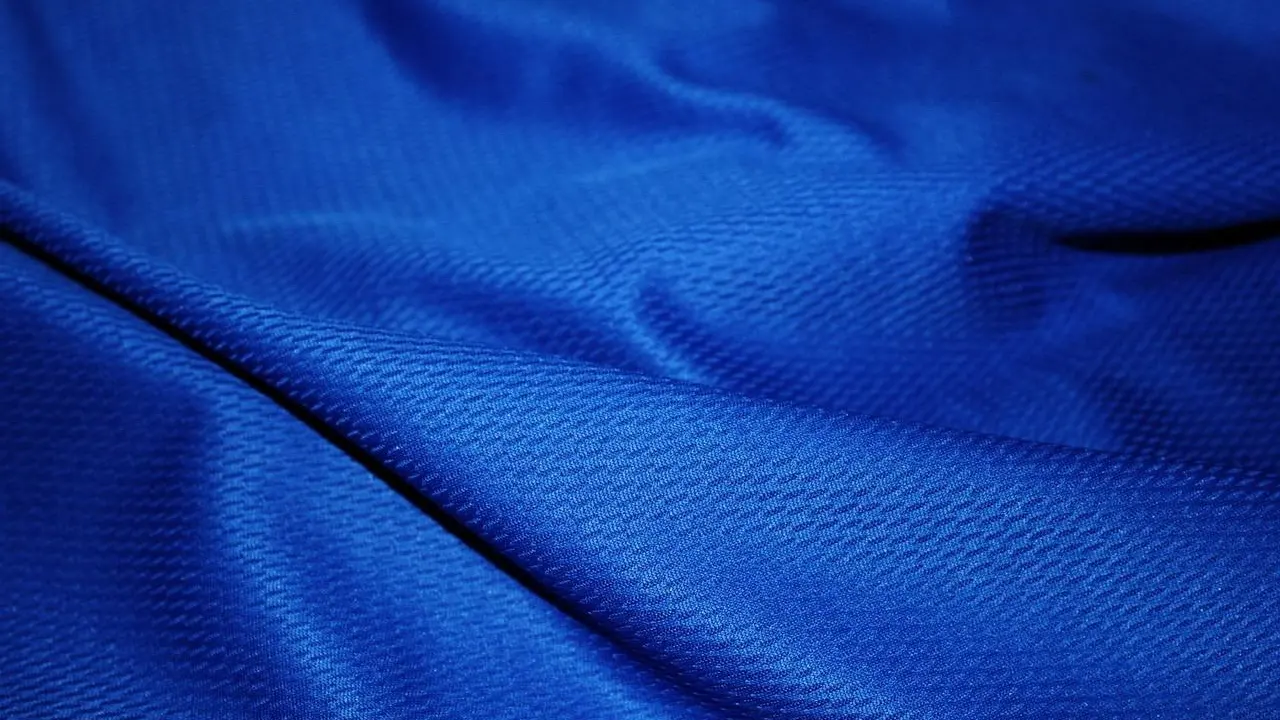
Polyester is a plastic, made from fossil raw materials and spun into fibre. It is cheap, strong, quick-drying and holds colour well, which is why it sits in everything from sportswear to fast-fashion dresses.
That popularity is the root of the problem. Global fibre output reached 132 million tonnes in 2024, a 6.5% annual increase, and polyester alone represented 59% of it, according to the trade coverage of Textile Exchange’s report. Whatever its footprint per garment, it is multiplied across a huge volume.
Cheapness also changes behaviour. When a polyester top costs very little, it is easier to buy on impulse and discard after a few wears, which is where much of the real damage comes from.
The main environmental problems
Several separate issues sit behind the headline. They are worth keeping apart, because each has a different fix.
- Fossil origin: virgin polyester starts as oil or gas, so making it ties clothing to fossil extraction and the energy used to process it.
- Energy-hungry production: turning raw material into fibre, then dyeing and finishing, takes heat and power, so the grid mix of the factory matters.
- Microfibre shedding: washing and wearing release tiny plastic fragments that can pass through wastewater treatment.
- Persistence: the fibre does not biodegrade in any useful timeframe, so discarded garments linger in landfill or get burned.
Why the numbers need careful reading
Headlines about polyester often blend different questions. One asks how much of the world’s clothing is polyester, another asks how much plastic pollution clothing causes, and a third asks how bad one garment is compared with another.
The data above describes global fibre production and ocean plastic pollution; it does not isolate clothing’s share of either. It does not tell you that a particular polyester shirt is worse than a particular cotton one, because that depends on dyes, factory energy, transport, how often you wash it and how long it stays in your wardrobe.
Look out for three common traps:
- A share of production is not a share of pollution, because fibres behave differently once they are made into cloth.
- Estimates of microplastics vary by region and method, so one figure rarely settles the question.
- Comparisons that ignore lifespan can make a cheap, disposable natural-fibre item look better than a durable synthetic one.
Is polyester a microplastic problem?
Yes, and this is the issue with the clearest evidence. The IUCN’s estimate puts primary microplastics at 15–31% of annual ocean plastic inputs, estimated at 9.5 million tonnes. Synthetic-textile washing and tyre wear together account for almost two-thirds of that microplastic contribution.
That figure covers all synthetic textiles, not polyester alone, and it dates from 2017. Treat it as an estimate of scale rather than an exact count.
You can reduce shedding at home without buying anything exotic. Wash less often, use full loads on cooler cycles, and avoid tumble drying where you can, since friction releases more fibres.
End of life and recycled polyester
Polyester clothing rarely gets a second life as clothing. Most worn-out garments are mixed with other fibres, dyed and fitted with zips or elastic, which makes them hard to sort and recycle into new fibre.
That is why reuse comes first. Repairing a garment or passing it to someone who will wear it can extend its useful life before disposal.
Only in part. The same trade report records recycled polyester output of 9.3 million tonnes, up from 8.9 million tonnes. That is progress, but it is small next to the total volume of virgin polyester still being made.
Recycled polyester also still sheds microfibres and still ends up as plastic at the end of its life. It avoids new fossil extraction for that batch, which is a real benefit, but it does not make a garment low-impact by itself.
Check where the recycled content comes from. Using bottles as textile feedstock can divert material from bottle-to-bottle recycling.
How polyester compares, and what to do about it
Natural fibres are not automatically better. Cotton needs land and water, and wool carries its own footprint, so the honest comparison depends on how a garment is made and how long it lasts. Our guide to organic cotton vs regular cotton covers one side of that trade-off.
The most reliable rule is to keep clothes in use longer. Keeping a polyester jacket in use longer can reduce the need to buy replacements.
Materials, spinning, dyeing and shipping all contribute to a garment’s environmental footprint before purchase. Every extra wear spreads that fixed cost over more use, so durability is the lever you control.
- Buy fewer, better-made pieces and check seams and fabric weight before purchase.
- Choose polyester where its strengths matter, such as rain shells and sports kit, rather than for throwaway fashion.
- Wash cooler, less often and with full loads to cut shedding.
- Repair, resell or donate instead of binning.
- Plan a small, versatile core, as in how to build a capsule wardrobe, so you buy less overall.
If you want a starting framework for buying less, read how to build a capsule wardrobe.
Frequently asked questions
Is polyester worse than cotton?
Show answer
It depends on the measure. Polyester relies on fossil raw materials and sheds microplastics, while cotton uses land and water. Neither wins on every count, so durability and care matter most.
Is recycled polyester better than virgin polyester?
Show answer
Generally it avoids new fossil extraction, which helps. It still sheds microfibres and is still plastic at end of life, so it is an improvement rather than a fix.
Should I throw away my polyester clothes?
Show answer
No. Discarding working clothes creates waste and demands replacements. Wear them for as long as you can, wash them gently and pass them on when finished.
Do microfibre filters help?
Show answer
Washing-machine filters and wash bags are designed to catch some fibres. This article did not review their performance, so look for independent test results before buying one.