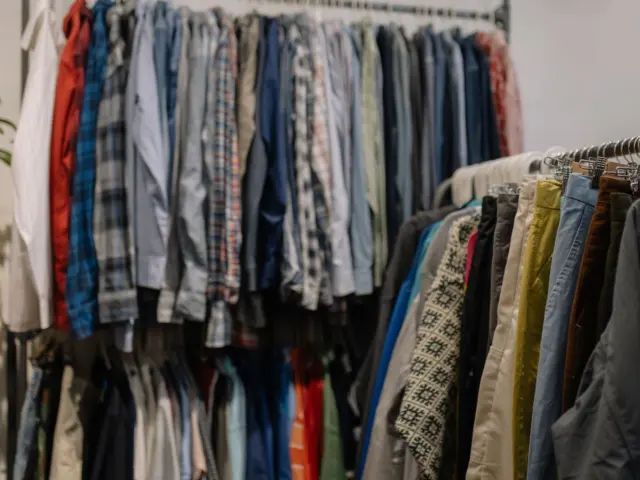
Staring at a full closet with nothing to wear? Here is how to build a capsule wardrobe: audit what you own, choose a tight colour palette, fill real gaps with durable pieces, and wear them often.
| Item | Value |
|---|---|
| Fall in worldwide clothing utilisation over 15 years | 36% |
| Fall in China’s clothing utilisation over 15 years | 70% |
| Wears before some garments are discarded | Seven to ten |
| Footprint cut from nine more months of active use (WRAP guide) | 4-10% |
These figures come from the Ellen MacArthur Foundation reading and a letsrecycle report on WRAP’s guide. They can change, so check the sources before you rely on them.
This guide is part of our wider look at sustainable fashion.
What a capsule wardrobe actually is
A capsule wardrobe is a small set of clothes that mix and match, so a few pieces make many outfits. It is not a rule about owning a magic number of items, and it is not a minimalism contest.
The sustainable point is simple: clothes only help the planet when you wear them. Fewer, better-chosen pieces get worn more.
Most capsules cover a few core groups: tops, bottoms, a layer for warmth, one or two dresses or suits if you wear them, shoes, and a coat. Your own list will differ depending on work, climate and taste.
Think of it as a working tool rather than a look. The goal is a closet where you can get dressed in minutes and like what you see, without a constant urge to buy something new.
Why wearing clothes more often matters
The Ellen MacArthur Foundation reading notes that worldwide clothing utilisation, the average number of times a garment is worn before it ceases to be used, has fallen. The reading reports a 36% decline in average wears per garment over the 15-year period it examined.
It adds that “some garments are estimated to be discarded after just seven to ten wears.” The same document says clothing production has approximately doubled over the last 15 years.
Longer use pays off. A letsrecycle report on WRAP’s clothing guide says extending clothes’ life by nine months of active use would cut carbon, water and waste footprints by 4-10%.
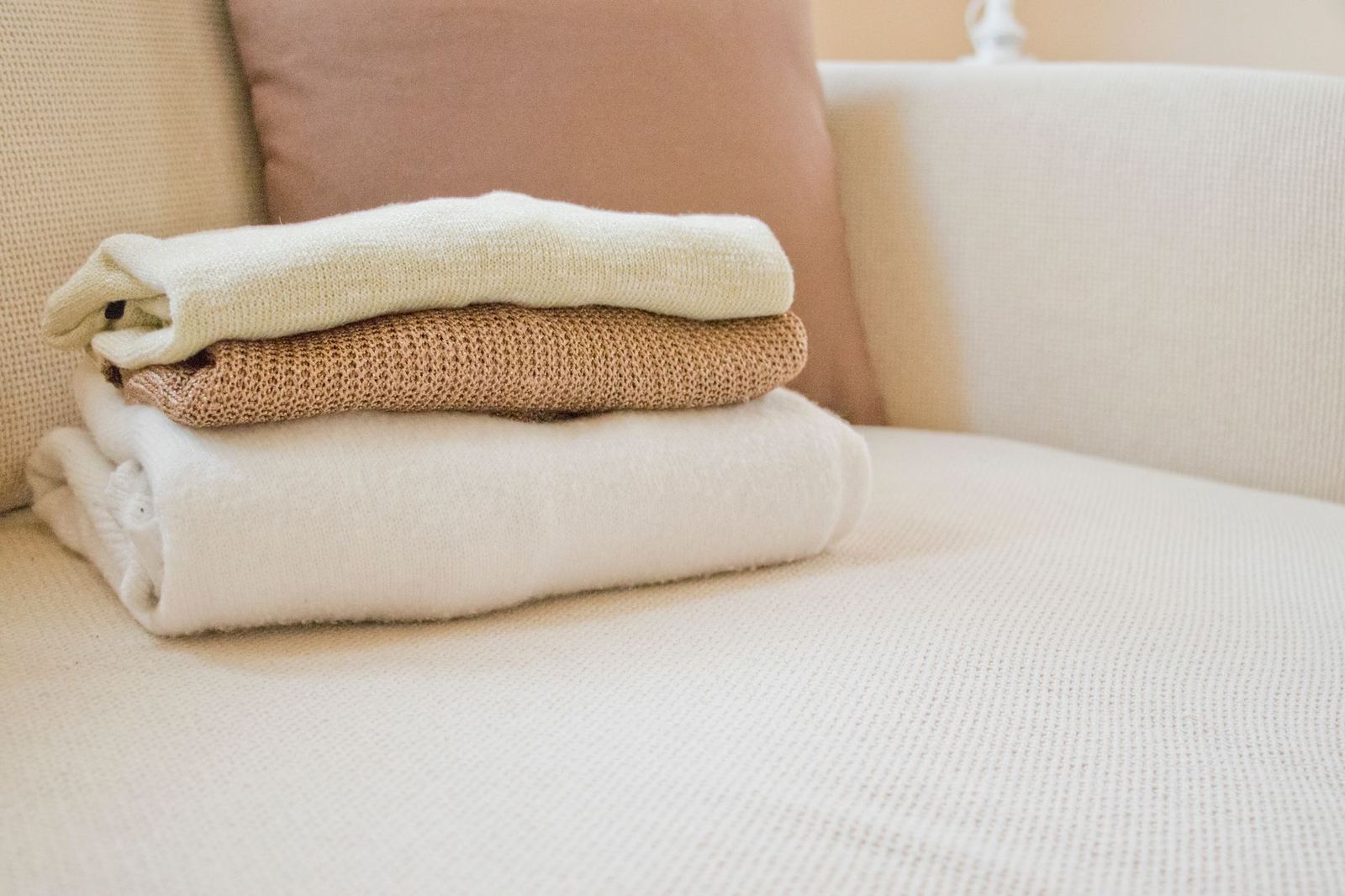
How to build a capsule wardrobe step by step
- Take everything out. Lay your clothes on the bed and sort them into wear weekly, wear sometimes, and never wear.
- Study your real life. Note how you spend your week: office, home, school runs, exercise, evenings out. Your capsule should match that split, not an imagined life.
- Pick a palette. Choose two or three neutrals and one or two accent colours so nearly everything goes together.
- Keep the proven pieces. Keep what fits, suits you and gets worn. Check each against your palette.
- List the gaps. Write down what stops outfits working, such as a layer, a shoe or a plain top. Buy only what is on that list.
- Store the rest. Box the maybes out of sight for a season. Anything you never miss can be sold, swapped or donated.
Choosing pieces that last
A capsule only works if its pieces survive repeated wear and washing. Look at seams, fabric weight and how a garment is finished before you look at the price.
Fibre choice matters too. Our sustainable fabrics guide compares common materials, and it helps to know is polyester bad for the environment before you fill a capsule with synthetics.
- Choose timeless cuts over trend-led details.
- Check that a new piece works with at least three things you already own.
- Try it on, sit, reach and walk. Comfort decides how often it is worn.
- Prefer pieces you can repair or have repaired.
Keeping the capsule going
Rotate by season rather than rebuilding each time. Swap a few pieces in and out, and wash gently and less often to extend life.
Use a “one in, one out” habit so the closet does not creep back to overflowing. When something wears out, mend it first, then replace it with a piece that fits the palette.
Review after a season. If a piece stayed on the hanger, ask why: fit, colour or occasion. Use the answer to guide the next purchase.
Common mistakes to avoid
The biggest trap is treating the capsule as a shopping project. Buying a whole new set of “perfect basics” can create more waste than the cluttered closet you started with.
- Clearing out wearable clothes just to look minimal, then rebuying similar items.
- Copying someone else’s palette instead of choosing colours that suit your skin, hair and mood.
- Ignoring laundry habits. If a piece needs constant ironing or dry cleaning, it will stay in the closet.
- Skipping shoes and outerwear, which often decide whether an outfit works at all.
- Expecting perfection in the first week. A capsule improves as you learn what you actually reach for.
If a mistake happens, treat it as information. A piece you bought and never wore tells you something about your real routine, and you can resell or swap it.
Adapting a capsule to your budget and climate
A capsule does not need new money. Start with what you own, then fill gaps slowly through second-hand shops, clothes swaps, repairs and borrowing from friends for one-off events.
Climate changes the shape of the plan. In a place with mild weather, a capsule may lean on light layers that work all year. In a place with sharp seasons, keep a core set of staples and add a small seasonal layer of knitwear or rainwear.
Work life matters as well. If you need formal clothes only occasionally, build them around the same palette so a blazer or a pair of tailored trousers can also dress up your everyday pieces.
A simple outfit test
Before you add anything, build outfits on paper or on your phone. If a new piece creates only one outfit, it is probably a poor fit for a capsule. If it joins several tops and bottoms you already own, it earns its place.
Photograph your best outfits as you go. Within a season you will have a personal lookbook, which makes busy mornings easier and stops you buying duplicates.
Care that makes clothes last
Care is the quiet half of a capsule. Wash only when needed, use cooler cycles where the label allows, and air-dry instead of tumble drying when you can.
Fix small problems early: a loose button, a coming-undone hem, a snagged knit. A quick repair costs little and keeps a favourite piece in rotation, which is exactly the longer active use that the research above links to lower footprints.
Frequently asked questions
How many items should a capsule wardrobe have?
Show answer
There is no official number. Size it to your routine: enough pieces for your week and weather, with each item working in several outfits.
Do I have to throw away the rest of my clothes?
Show answer
No. Store, sell, swap or donate what you do not need, and keep anything you will genuinely wear. Discarding wearable clothes only adds to waste.
Is a capsule wardrobe boring?
Show answer
Not if you add accent colours, accessories and layering. A palette that coordinates makes dressing quicker, and you can refresh it each season.
Can I build one without buying anything?
Show answer
Yes. Many people start by editing what they own, and the gap list often turns out short. Buy only when a missing piece blocks several outfits.